Buy gossips.eu ?
We are moving the project
gossips.eu .
Are you interested in purchasing the domain
gossips.eu ?
domain@kv-gmbh.de · 0541-91531010
Buy gossips.eu ?
Which tenses exist in Swiss German that only have two tenses?
In Swiss German, there are two tenses that only have two forms: the present tense and the past tense. The present tense is used to talk about actions happening in the present, while the past tense is used to talk about actions that have already happened. Unlike in Standard German, there is no distinction between the simple past and the present perfect tense in Swiss German. **
Which tenses are related?
The tenses that are related in English are the simple present, simple past, and simple future tenses. These tenses are the basic forms of verb conjugation and are used to express actions or states that occur in the present, past, or future respectively. They are often used as building blocks for more complex tenses and can be combined with auxiliary verbs to convey different shades of meaning. Understanding the relationship between these tenses is essential for mastering English grammar. **

Similar search terms for Tenses
Top-Angebote
Products related to Tenses:
-
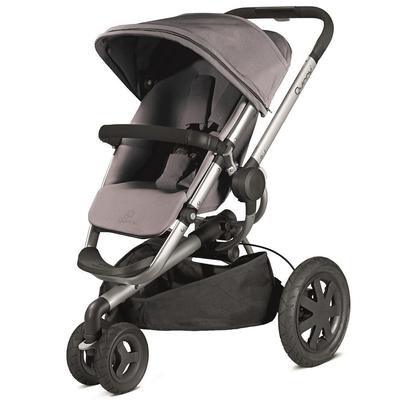
Quinny Buzz Xtra - Rocking BlackNEW canopy design with more coverage and flip out visor; NEW air filled front tires; NEW tailored shopping basket; Reversible seat so baby can face mom or the world; Multiple position recline; 2 positions in forward mode; 2 positions in mode where...297,50 $*Shipping: 0,00 $Secure redirect to the provider
-
Quinny Buzz Stroller - Pink BlushThe Quinny Buzz 3 Wheel Stroller is immediately recognizable by its superb design and unique automatic fold-out system. Thanks to a specially preformed ergonomic seat, the new 2011 Quinny Buzz offers the ultimate in comfort. With its futuristic...290,00 $*Shipping: 0,00 $Secure redirect to the provider
-
Miraculum Velvet Scandal EDP W 30 mlMiraculum Velvet Scandal, 30 ml, Eaux de Parfum for Women, Never miss another opportunity to be the queen of the night. In a matter of seconds, the Miraculum Velvet Scandal Eau de Parfum for women turns you into a dazzling creature whose magic draws everyone near and far. fruity fragrance floral fragrance ideal choice for a free-spirited woman fresh fragrance, ideal for hot weather7,10 £*Shipping: 3,99 £Secure redirect to the provider
-
Jean Paul Gaultier Scandal 50ml 2pc GiftsetMake a bold statement with the Jean Paul Gaultier Scandal Gift Set, a luxurious fragrance duo designed for those who love to stand out. This captivating scent blends elegance with a playful edge, offering a modern twist on classic femininity. At its heart, Scandal is a rich and addictive fragrance. Sweet honey notes are layered with fresh citrus and creamy gardenia, before settling into a warm, sensual base of patchouli. The result is a fragrance that is both sophisticated and daring—perfect for day-to-night wear. Beautifully presented, this 2-piece set makes an ideal gift or a treat for yourself, combining style and scent in true Jean Paul Gaultier fashion. Set includes: 50ml Eau de Parfum Spray 75ml Body Lotion78,00 £*Shipping: 0,00 £Secure redirect to the provider


-
Which tenses are there in Swiss German that only have two tenses?
In Swiss German, there are two tenses that only have two forms: present and past. The present tense is used to describe actions happening in the present moment, while the past tense is used to talk about actions that have already occurred. These two tenses are commonly used in everyday conversations in Swiss German. **
-
Which tenses are there in Swiss German that have only two tenses?
In Swiss German, there are two tenses that have only two forms: the present tense and the past tense. The present tense is used to describe actions happening in the present moment, while the past tense is used to talk about actions that have already happened. Unlike Standard German, Swiss German does not have a separate future tense, so speakers use the present tense or auxiliary verbs to indicate future actions. **
-
Which tenses exist in Swiss German where there are only two tenses?
In Swiss German, the two tenses that exist are the present tense and the past tense. The present tense is used to describe actions that are currently happening or habitual actions, while the past tense is used to talk about actions that have already occurred. Swiss German does not have a separate future tense, as the present tense can also be used to express future actions. **
-
What are the English tenses?
The English language has 12 tenses, which are divided into three main categories: past, present, and future. Each category has four tenses: simple, continuous, perfect, and perfect continuous. The simple tenses refer to actions that are completed at a specific time, the continuous tenses refer to actions that are ongoing or in progress, the perfect tenses refer to actions that are completed before a specific time, and the perfect continuous tenses refer to actions that started in the past and are still ongoing. Understanding these tenses is essential for effective communication in English. **


How can one recognize tenses?
One can recognize tenses by looking at the verb in a sentence and identifying the time frame in which the action is taking place. For example, if the verb ends in "-ed" it is likely in the past tense, while if it ends in "-ing" it is likely in the present continuous tense. Additionally, the use of helping verbs such as "will" or "has" can indicate future or present perfect tenses, respectively. Understanding the context of the sentence and the time frame being referred to can also help in recognizing tenses. **
Which two tenses are possible?
The two tenses that are possible are the present tense and the past tense. The present tense is used to describe actions that are currently happening or are generally true, while the past tense is used to describe actions that have already occurred. These two tenses allow us to convey different time frames and perspectives in our writing and speech. **
Top-Angebote
Products related to Tenses:
-
Quinny Buzz Xtra - Gracious GreyThe Buzz Xtra stroller is designed to perform great everywhere, whether it is on sandy footpaths or the muddy tracks of the forest. It offers maximum comfort on any terrain and is suitable from birth until 3 years old. Use from birth with Tukk...297,50 $*Shipping: 0,00 $Secure redirect to the provider
-
Quinny Buzz Xtra - Rocking BlackNEW canopy design with more coverage and flip out visor; NEW air filled front tires; NEW tailored shopping basket; Reversible seat so baby can face mom or the world; Multiple position recline; 2 positions in forward mode; 2 positions in mode where...297,50 $*Shipping: 0,00 $Secure redirect to the provider
-
Quinny Buzz Stroller - Pink BlushThe Quinny Buzz 3 Wheel Stroller is immediately recognizable by its superb design and unique automatic fold-out system. Thanks to a specially preformed ergonomic seat, the new 2011 Quinny Buzz offers the ultimate in comfort. With its futuristic...290,00 $*Shipping: 0,00 $Secure redirect to the provider
-
Which tenses exist in Swiss German that only have two tenses?
In Swiss German, there are two tenses that only have two forms: the present tense and the past tense. The present tense is used to talk about actions happening in the present, while the past tense is used to talk about actions that have already happened. Unlike in Standard German, there is no distinction between the simple past and the present perfect tense in Swiss German. **
-
Which tenses are related?
The tenses that are related in English are the simple present, simple past, and simple future tenses. These tenses are the basic forms of verb conjugation and are used to express actions or states that occur in the present, past, or future respectively. They are often used as building blocks for more complex tenses and can be combined with auxiliary verbs to convey different shades of meaning. Understanding the relationship between these tenses is essential for mastering English grammar. **
-
Which tenses are there in Swiss German that only have two tenses?
In Swiss German, there are two tenses that only have two forms: present and past. The present tense is used to describe actions happening in the present moment, while the past tense is used to talk about actions that have already occurred. These two tenses are commonly used in everyday conversations in Swiss German. **
-
Which tenses are there in Swiss German that have only two tenses?
In Swiss German, there are two tenses that have only two forms: the present tense and the past tense. The present tense is used to describe actions happening in the present moment, while the past tense is used to talk about actions that have already happened. Unlike Standard German, Swiss German does not have a separate future tense, so speakers use the present tense or auxiliary verbs to indicate future actions. **
Similar search terms for Tenses
-
Miraculum Velvet Scandal EDP W 30 mlMiraculum Velvet Scandal, 30 ml, Eaux de Parfum for Women, Never miss another opportunity to be the queen of the night. In a matter of seconds, the Miraculum Velvet Scandal Eau de Parfum for women turns you into a dazzling creature whose magic draws everyone near and far. fruity fragrance floral fragrance ideal choice for a free-spirited woman fresh fragrance, ideal for hot weather7,10 £*Shipping: 3,99 £Secure redirect to the provider
-
Jean Paul Gaultier Scandal 50ml 2pc GiftsetMake a bold statement with the Jean Paul Gaultier Scandal Gift Set, a luxurious fragrance duo designed for those who love to stand out. This captivating scent blends elegance with a playful edge, offering a modern twist on classic femininity. At its heart, Scandal is a rich and addictive fragrance. Sweet honey notes are layered with fresh citrus and creamy gardenia, before settling into a warm, sensual base of patchouli. The result is a fragrance that is both sophisticated and daring—perfect for day-to-night wear. Beautifully presented, this 2-piece set makes an ideal gift or a treat for yourself, combining style and scent in true Jean Paul Gaultier fashion. Set includes: 50ml Eau de Parfum Spray 75ml Body Lotion78,00 £*Shipping: 0,00 £Secure redirect to the provider
-
Quinny Buzz 2008 Stroller in SulphurWith its revolutionary European design, the sleek and chic Quinny Buzz 3 is destined to be the most coveted stroller on the block. Available in select specialty stores only, the Buzz 3 is built for exceptional maneuverability, with a front...274,50 $*Shipping: 0,00 $Secure redirect to the provider
-
Quinny Buzz Xtra - Purple PaceThe Buzz Xtra stroller is designed to perform great everywhere, whether it is on sandy footpaths or the muddy tracks of the forest. It offers maximum comfort on any terrain and is suitable from birth until 3 years old. Use from birth with Tukk...297,50 $*Shipping: 0,00 $Secure redirect to the provider
-
Which tenses exist in Swiss German where there are only two tenses?
In Swiss German, the two tenses that exist are the present tense and the past tense. The present tense is used to describe actions that are currently happening or habitual actions, while the past tense is used to talk about actions that have already occurred. Swiss German does not have a separate future tense, as the present tense can also be used to express future actions. **
-
What are the English tenses?
The English language has 12 tenses, which are divided into three main categories: past, present, and future. Each category has four tenses: simple, continuous, perfect, and perfect continuous. The simple tenses refer to actions that are completed at a specific time, the continuous tenses refer to actions that are ongoing or in progress, the perfect tenses refer to actions that are completed before a specific time, and the perfect continuous tenses refer to actions that started in the past and are still ongoing. Understanding these tenses is essential for effective communication in English. **
-
How can one recognize tenses?
One can recognize tenses by looking at the verb in a sentence and identifying the time frame in which the action is taking place. For example, if the verb ends in "-ed" it is likely in the past tense, while if it ends in "-ing" it is likely in the present continuous tense. Additionally, the use of helping verbs such as "will" or "has" can indicate future or present perfect tenses, respectively. Understanding the context of the sentence and the time frame being referred to can also help in recognizing tenses. **
-
Which two tenses are possible?
The two tenses that are possible are the present tense and the past tense. The present tense is used to describe actions that are currently happening or are generally true, while the past tense is used to describe actions that have already occurred. These two tenses allow us to convey different time frames and perspectives in our writing and speech. **
* All prices are inclusive of VAT and, if applicable, plus shipping costs. The offer information is based on the details provided by the respective shop and is updated through automated processes. Real-time updates do not occur, so deviations can occur in individual cases. ** Note: Parts of this content were created by AI.