Buy gossips.eu ?
We are moving the project
gossips.eu .
Are you interested in purchasing the domain
gossips.eu ?
domain@kv-gmbh.de · 0541-91531010
Buy gossips.eu ?
Which threadlocker is used for motorcycle oil change?
For a motorcycle oil change, it is recommended to use a medium-strength threadlocker such as Loctite 243 or Loctite 242. These threadlockers are designed to prevent fasteners from loosening due to vibration and can withstand the heat and oil present in the engine. Applying a small amount of threadlocker to the threads of the drain plug before reinstallation can help ensure that it stays securely in place during operation. Always refer to the manufacturer's recommendations and instructions when using threadlockers for any maintenance on your motorcycle. **
Can I use this threadlocker for loose pedals?
Yes, you can use threadlocker for loose pedals. Threadlocker is a type of adhesive that can be applied to the threads of bolts and screws to prevent them from coming loose. It can help secure pedals to the crank arms and prevent them from unscrewing during use. Just make sure to use the appropriate strength of threadlocker for the size and material of the pedal threads. **
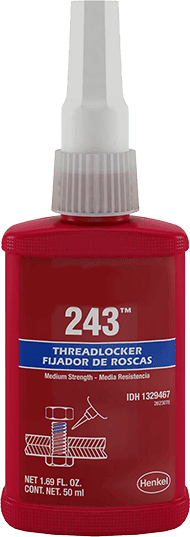
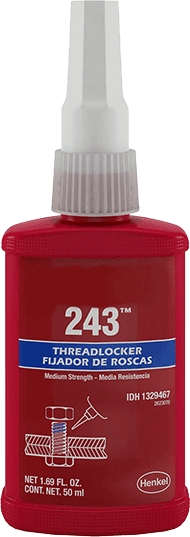
Similar search terms for LOCTITE-1008095-Threadlocker
Top-Angebote
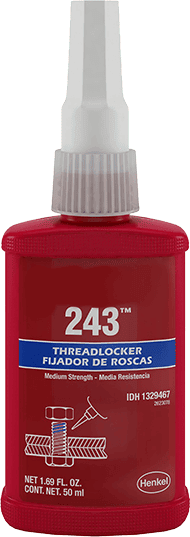
Products related to LOCTITE-1008095-Threadlocker:
-
LOCTITE 230923 Super GlueColour: white/yellow, Colourless; Container Type: Bottle, Tube; Contents [g]: 5; Weight [g]: 5; Universal: Yes; Temperature range from [°C]: -40; Temperature range to [°C]: +120; Mounting Time [min]: 3-10 sec.; Version: 401; Properties: transparent; Liquid:6,99 £*Shipping: 8,45 £Secure redirect to the provider


-
What is an alternative to Loctite 510?
An alternative to Loctite 510 could be Permatex High Temperature Thread Sealant. This thread sealant is designed to withstand high temperatures and is suitable for use on metal parts. It provides a reliable seal for threaded connections and can be used in applications where Loctite 510 is typically used. Additionally, it is resistant to chemicals and can be used in automotive, industrial, and marine applications. **
-
Can screws secured with Loctite be loosened again?
Yes, screws secured with Loctite can be loosened again. Loctite is a brand of threadlocker that is designed to prevent screws from loosening due to vibration or other factors. However, it is not a permanent adhesive and can be broken down with the application of heat or the use of tools such as screwdrivers or wrenches. This allows for the screws to be removed and repositioned if necessary. **
-
What happens if you get Loctite liquid glue in your eye?
If Loctite liquid glue gets in your eye, it is important to immediately flush the eye with water for at least 15 minutes. Do not rub the eye, as this can cause further irritation. Seek medical attention as soon as possible, as the glue can cause damage to the eye and may require professional treatment to prevent long-term damage. **
-
Does Loctite have the same effect as a self-locking nut?
Loctite and self-locking nuts both serve the purpose of preventing fasteners from loosening due to vibration or other factors. Loctite is a liquid adhesive that is applied to the threads of a fastener before it is tightened, creating a bond that helps prevent loosening. Self-locking nuts, on the other hand, have a built-in feature, such as nylon inserts or distorted threads, that creates friction and resistance to loosening. While both Loctite and self-locking nuts can effectively prevent loosening, they work in different ways and may be more or less suitable depending on the specific application and requirements. **


How to use Loctite for connecting the shaft and hub on a car?
To use Loctite for connecting the shaft and hub on a car, first, ensure that both the shaft and hub surfaces are clean and free of any oil or grease. Apply a small amount of the appropriate Loctite adhesive to the shaft or hub, depending on the specific product instructions. Slide the hub onto the shaft and tighten any fasteners according to the manufacturer's torque specifications. Allow the Loctite adhesive to cure for the recommended time before operating the vehicle. **
Can the thread where Loctite will be applied later be cleaned with gasoline or WD40?
It is not recommended to clean the thread where Loctite will be applied later with gasoline or WD40. These solvents can leave residue on the surface, which can interfere with the bonding ability of the Loctite. It is best to clean the thread with a suitable cleaner recommended by Loctite, such as Loctite cleaning solvent or isopropyl alcohol, to ensure proper adhesion of the Loctite. **
Top-Angebote
Products related to LOCTITE-1008095-Threadlocker:
-
LOCTITE 230923 Super GlueColour: white/yellow, Colourless; Container Type: Bottle, Tube; Contents [g]: 5; Weight [g]: 5; Universal: Yes; Temperature range from [°C]: -40; Temperature range to [°C]: +120; Mounting Time [min]: 3-10 sec.; Version: 401; Properties: transparent; Liquid:6,99 £*Shipping: 8,45 £Secure redirect to the provider
-
Which threadlocker is used for motorcycle oil change?
For a motorcycle oil change, it is recommended to use a medium-strength threadlocker such as Loctite 243 or Loctite 242. These threadlockers are designed to prevent fasteners from loosening due to vibration and can withstand the heat and oil present in the engine. Applying a small amount of threadlocker to the threads of the drain plug before reinstallation can help ensure that it stays securely in place during operation. Always refer to the manufacturer's recommendations and instructions when using threadlockers for any maintenance on your motorcycle. **
-
Can I use this threadlocker for loose pedals?
Yes, you can use threadlocker for loose pedals. Threadlocker is a type of adhesive that can be applied to the threads of bolts and screws to prevent them from coming loose. It can help secure pedals to the crank arms and prevent them from unscrewing during use. Just make sure to use the appropriate strength of threadlocker for the size and material of the pedal threads. **
-
What is an alternative to Loctite 510?
An alternative to Loctite 510 could be Permatex High Temperature Thread Sealant. This thread sealant is designed to withstand high temperatures and is suitable for use on metal parts. It provides a reliable seal for threaded connections and can be used in applications where Loctite 510 is typically used. Additionally, it is resistant to chemicals and can be used in automotive, industrial, and marine applications. **
-
Can screws secured with Loctite be loosened again?
Yes, screws secured with Loctite can be loosened again. Loctite is a brand of threadlocker that is designed to prevent screws from loosening due to vibration or other factors. However, it is not a permanent adhesive and can be broken down with the application of heat or the use of tools such as screwdrivers or wrenches. This allows for the screws to be removed and repositioned if necessary. **
Similar search terms for LOCTITE-1008095-Threadlocker
-
What happens if you get Loctite liquid glue in your eye?
If Loctite liquid glue gets in your eye, it is important to immediately flush the eye with water for at least 15 minutes. Do not rub the eye, as this can cause further irritation. Seek medical attention as soon as possible, as the glue can cause damage to the eye and may require professional treatment to prevent long-term damage. **
-
Does Loctite have the same effect as a self-locking nut?
Loctite and self-locking nuts both serve the purpose of preventing fasteners from loosening due to vibration or other factors. Loctite is a liquid adhesive that is applied to the threads of a fastener before it is tightened, creating a bond that helps prevent loosening. Self-locking nuts, on the other hand, have a built-in feature, such as nylon inserts or distorted threads, that creates friction and resistance to loosening. While both Loctite and self-locking nuts can effectively prevent loosening, they work in different ways and may be more or less suitable depending on the specific application and requirements. **
-
How to use Loctite for connecting the shaft and hub on a car?
To use Loctite for connecting the shaft and hub on a car, first, ensure that both the shaft and hub surfaces are clean and free of any oil or grease. Apply a small amount of the appropriate Loctite adhesive to the shaft or hub, depending on the specific product instructions. Slide the hub onto the shaft and tighten any fasteners according to the manufacturer's torque specifications. Allow the Loctite adhesive to cure for the recommended time before operating the vehicle. **
-
Can the thread where Loctite will be applied later be cleaned with gasoline or WD40?
It is not recommended to clean the thread where Loctite will be applied later with gasoline or WD40. These solvents can leave residue on the surface, which can interfere with the bonding ability of the Loctite. It is best to clean the thread with a suitable cleaner recommended by Loctite, such as Loctite cleaning solvent or isopropyl alcohol, to ensure proper adhesion of the Loctite. **
* All prices are inclusive of VAT and, if applicable, plus shipping costs. The offer information is based on the details provided by the respective shop and is updated through automated processes. Real-time updates do not occur, so deviations can occur in individual cases. ** Note: Parts of this content were created by AI.