Buy gossips.eu ?
We are moving the project
gossips.eu .
Are you interested in purchasing the domain
gossips.eu ?
domain@kv-gmbh.de · 0541-91531010
Buy gossips.eu ?
What is the reproductive cycle of the common fig (Ficus carica)?
The common fig (Ficus carica) has a unique reproductive cycle that involves a specialized type of pollination. The flowers of the fig are actually enclosed within the fruit, and they require a specific species of wasp, called the fig wasp, for pollination. The female fig wasp enters the fig through a small opening and lays her eggs inside the flowers. In the process, she pollinates the flowers, allowing the fruit to develop. Once the wasp larvae mature, the males emerge first, mate with the females still inside the fig, and then dig a tunnel to allow the females to escape and continue the cycle by finding a new fig to pollinate. **
What does the reproductive cycle of the common fig (Ficus carica) look like?
The reproductive cycle of the common fig begins with the development of tiny flowers inside the fruit, which are not visible from the outside. These flowers are pollinated by a specific species of wasp called Blastophaga psenes. The female wasp enters the fig through a small opening and lays her eggs inside the flowers. As she does so, she also pollinates the flowers. The eggs hatch into larvae, which then mature and mate inside the fig. The mature female wasps then leave the fig, carrying pollen with them to pollinate other figs, while the fig fruit develops and ripens. This unique and intricate relationship between the fig and the wasp is essential for the reproductive success of the common fig. **

Similar search terms for Erbenobili-Ficus-Carica-Phytoblast
Top-Angebote
Products related to Erbenobili-Ficus-Carica-Phytoblast:
-
Erbenobili Juglans Regia Phytoblast 50 mlNutrition and Supplements Natural Extracts Erbenobili Juglans Regia Phytoblast 50 ml Food supplement based on glycerinated extract of white walnut and red vine. Benefits The buds of Juglans regia (Walnut) show an elective organotropism towards the pancreas: it favors the regulation of insulin secretion and consequently favors the control of blood sugar. It is also used in chronic pancreatitis and in case of functional pancreatic insufficiency (flatulence and postprandial meteorism) thanks to the antiphlogistic and stimulating action of pancreatic activity. How to use: 20 - 30 drops 2 times a day diluted in water preferably between meals Warning : Contraindicated in case of proven hypersensitivity to one of the components. Food supplements are not intended to replace a varied and balanced diet and a healthy lifestyle.12,27 £*Shipping: 3,99 £Secure redirect to the provider
-
Erbenobili Rosa Canina Phytoblast 50 mlNutrition and Supplements Natural Extracts Erbenobili Rosa Canina Phytoblast 50 ml Food supplement based on Rosa canina glycerin extract. Benefits Dog rose is a spontaneous plant belonging to the Rosaceae family. Rosehip fruits and buds have immunostimulating, anti-inflammatory, antioxidant and anti-inflammatory properties. How to use: 20 - 30 drops 2 times a day diluted in water, preferably outside of meals. Warning Contraindicated in case of hypersensitivity to one of the components. Food supplements are not intended to replace a varied and balanced diet or a healthy lifestyle.7,32 £*Shipping: 3,99 £Secure redirect to the provider
-
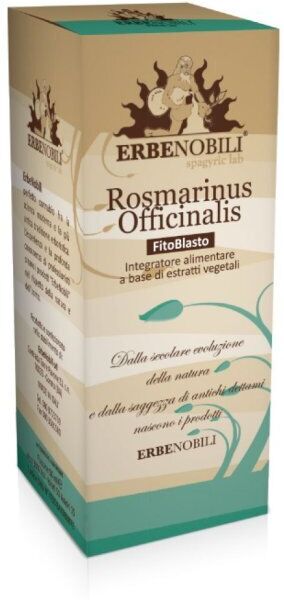
Erbenobili Rosmarinus Officinalis Phytoblast 50 mlNutrition and Supplements Natural Extracts Erbenobili Rosmarinus Officinalis Phytoblast 50 ml Food supplement based on Rosemary and Red Vine glycerin extract. Benefits It has notable antioxidant properties. It opposes the formation of free radicals, inhibits complement activation and prostanoid synthesis, exerting anti-inflammatory activity. Stimulates the production of endogenous glutathione, helps some cofactors that play an important role such as antioxidants such as selenium and vitamins A, C, E. It counteracts lipoperoxidation and causes a significant decrease in transaminases and hepatic lactate dehydrogenase induced by toxic substances. How to use: 20 - 30 drops 2 times a day diluted in water, preferably between meals.7,32 £*Shipping: 3,99 £Secure redirect to the provider
-
Erbenobili Fraxinus Exelsior Phytoblast 50 mlNutrition and Supplements Natural Extracts Erbenobili Fraxinus Exelsior Phytoblast 50 ml Food supplement based on glycerinated extract of Ash and Red Vine. Benefit Ash gem can be used successfully in a precise context, which is that of alterations in nucleoprotein catabolism. It stimulates metabolism, promoting joint, biliary and kidney function, reducing inflammatory phenomena associated with the aforementioned organs and systems. It is mainly indicated in subjects who suffer from acute and subacute inflammation, who suffer from metabolic alterations that favor exudative inflammation, stagnation of excess metabolites and catabolites. How to use: 20 - 30 drops 2 times a day diluted in water preferably between meals Warning : Contraindicated in case of proven hypersensitivity to one of the components. Food supplements are not intended to replace a varied and balanced diet and a healthy lifestyle.7,32 £*Shipping: 3,99 £Secure redirect to the provider


-
When does the leaf formation of the common fig tree (Ficus carica) start in spring?
The leaf formation of the common fig tree typically starts in spring when the temperatures begin to warm up. This usually occurs in late March or early April, depending on the specific climate and location. As the weather becomes more favorable, the tree starts to produce new leaves, signaling the start of the growing season. **
-
When does the leaf formation of the common fig tree (Ficus carica) begin in spring?
The leaf formation of the common fig tree (Ficus carica) typically begins in late spring, usually around May or June, depending on the climate and location. As the temperatures warm up and the days get longer, the tree starts to produce new leaves. This is a natural response to the changing seasons and is an important part of the tree's growth and development. Once the leaves start to emerge, the tree can begin the process of photosynthesis and produce energy for itself. **
-
Is the Ficus benjamina dead?
Without more information or context, it is difficult to determine if the Ficus benjamina is dead. Signs of a dead Ficus benjamina may include brittle, dry leaves, lack of new growth, and a trunk that is soft or hollow. It is recommended to check the plant for these signs and assess its overall health before concluding if it is dead or not. **
-
Does the Ficus Ginseng move?
No, the Ficus Ginseng plant does not move. It is a stationary plant that grows in a fixed location. While it may change and grow over time, it does not have the ability to physically move from one place to another. **

What is a Ficus tree?
A Ficus tree is a type of tree belonging to the genus Ficus, which is part of the mulberry family. These trees are known for their large, glossy leaves and their ability to grow in a variety of environments, including tropical and subtropical regions. Ficus trees are often used as ornamental plants in gardens and landscapes, and some species are also grown as houseplants. They are known for their resilience and adaptability, making them a popular choice for both indoor and outdoor settings. **
What type of Ficus is this?
This is a Ficus lyrata, commonly known as the fiddle leaf fig. It is characterized by its large, violin-shaped leaves that have a glossy, dark green color. Ficus lyrata is a popular houseplant choice due to its striking appearance and relatively low maintenance requirements. It is native to western Africa and thrives in bright, indirect light. **
Top-Angebote
Products related to Erbenobili-Ficus-Carica-Phytoblast:
-
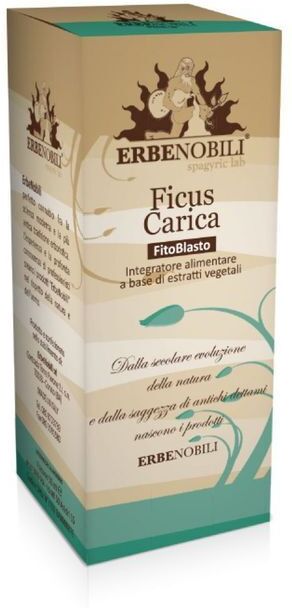
Erbenobili Ficus Carica Phytoblast 50 mlNutrition and Supplements Natural Extracts Erbenobili Ficus Carica Phytoblast 50 ml Food supplement based on glycerinated fig and red vine extract. Gluten Free Benefits The main indications for this yolk extract are neurodystonias and gastric and duodenal-colic neurovegetative disorders. The mechanism of action, probably of diencephalic origin with action on the corticodiencephalic axis, makes it a remedy indicated in all dystonic states, in anxious forms with a neurotic component with psychosomatic manifestations, particularly in the digestive system where it regulates motility and secretion. gastroduodenal Instructions for use: 20 - 30 drops 2 times a day diluted in water preferably between meals Warning : Contraindicated in case of proven hypersensitivity to one of the components. Food supplements are not intended to replace a varied and balanced diet and a healthy lifestyle.9,89 £*Shipping: 3,99 £Secure redirect to the provider
-
Erbenobili Vitis Vinifera Phytoblast 50 mlNutrition and Supplements Natural Extracts Erbenobili Vitis Vinifera Phytoblast 50 ml Food supplement based on red vine indicated to promote the functionality of microcirculation. How to use: 20 - 30 drops 2 times a day diluted in water, preferably outside of meals. Warnings Contraindicated in case of hypersensitivity to one of the components. Food supplements are not intended to replace a varied and balanced diet or a healthy lifestyle.6,89 £*Shipping: 3,99 £Secure redirect to the provider
-
Erbenobili Juglans Regia Phytoblast 50 mlNutrition and Supplements Natural Extracts Erbenobili Juglans Regia Phytoblast 50 ml Food supplement based on glycerinated extract of white walnut and red vine. Benefits The buds of Juglans regia (Walnut) show an elective organotropism towards the pancreas: it favors the regulation of insulin secretion and consequently favors the control of blood sugar. It is also used in chronic pancreatitis and in case of functional pancreatic insufficiency (flatulence and postprandial meteorism) thanks to the antiphlogistic and stimulating action of pancreatic activity. How to use: 20 - 30 drops 2 times a day diluted in water preferably between meals Warning : Contraindicated in case of proven hypersensitivity to one of the components. Food supplements are not intended to replace a varied and balanced diet and a healthy lifestyle.12,27 £*Shipping: 3,99 £Secure redirect to the provider
-
Erbenobili Rosa Canina Phytoblast 50 mlNutrition and Supplements Natural Extracts Erbenobili Rosa Canina Phytoblast 50 ml Food supplement based on Rosa canina glycerin extract. Benefits Dog rose is a spontaneous plant belonging to the Rosaceae family. Rosehip fruits and buds have immunostimulating, anti-inflammatory, antioxidant and anti-inflammatory properties. How to use: 20 - 30 drops 2 times a day diluted in water, preferably outside of meals. Warning Contraindicated in case of hypersensitivity to one of the components. Food supplements are not intended to replace a varied and balanced diet or a healthy lifestyle.7,32 £*Shipping: 3,99 £Secure redirect to the provider
-
What is the reproductive cycle of the common fig (Ficus carica)?
The common fig (Ficus carica) has a unique reproductive cycle that involves a specialized type of pollination. The flowers of the fig are actually enclosed within the fruit, and they require a specific species of wasp, called the fig wasp, for pollination. The female fig wasp enters the fig through a small opening and lays her eggs inside the flowers. In the process, she pollinates the flowers, allowing the fruit to develop. Once the wasp larvae mature, the males emerge first, mate with the females still inside the fig, and then dig a tunnel to allow the females to escape and continue the cycle by finding a new fig to pollinate. **
-
What does the reproductive cycle of the common fig (Ficus carica) look like?
The reproductive cycle of the common fig begins with the development of tiny flowers inside the fruit, which are not visible from the outside. These flowers are pollinated by a specific species of wasp called Blastophaga psenes. The female wasp enters the fig through a small opening and lays her eggs inside the flowers. As she does so, she also pollinates the flowers. The eggs hatch into larvae, which then mature and mate inside the fig. The mature female wasps then leave the fig, carrying pollen with them to pollinate other figs, while the fig fruit develops and ripens. This unique and intricate relationship between the fig and the wasp is essential for the reproductive success of the common fig. **
-
When does the leaf formation of the common fig tree (Ficus carica) start in spring?
The leaf formation of the common fig tree typically starts in spring when the temperatures begin to warm up. This usually occurs in late March or early April, depending on the specific climate and location. As the weather becomes more favorable, the tree starts to produce new leaves, signaling the start of the growing season. **
-
When does the leaf formation of the common fig tree (Ficus carica) begin in spring?
The leaf formation of the common fig tree (Ficus carica) typically begins in late spring, usually around May or June, depending on the climate and location. As the temperatures warm up and the days get longer, the tree starts to produce new leaves. This is a natural response to the changing seasons and is an important part of the tree's growth and development. Once the leaves start to emerge, the tree can begin the process of photosynthesis and produce energy for itself. **
Similar search terms for Erbenobili-Ficus-Carica-Phytoblast
-
Erbenobili Rosmarinus Officinalis Phytoblast 50 mlNutrition and Supplements Natural Extracts Erbenobili Rosmarinus Officinalis Phytoblast 50 ml Food supplement based on Rosemary and Red Vine glycerin extract. Benefits It has notable antioxidant properties. It opposes the formation of free radicals, inhibits complement activation and prostanoid synthesis, exerting anti-inflammatory activity. Stimulates the production of endogenous glutathione, helps some cofactors that play an important role such as antioxidants such as selenium and vitamins A, C, E. It counteracts lipoperoxidation and causes a significant decrease in transaminases and hepatic lactate dehydrogenase induced by toxic substances. How to use: 20 - 30 drops 2 times a day diluted in water, preferably between meals.7,32 £*Shipping: 3,99 £Secure redirect to the provider
-
Erbenobili Fraxinus Exelsior Phytoblast 50 mlNutrition and Supplements Natural Extracts Erbenobili Fraxinus Exelsior Phytoblast 50 ml Food supplement based on glycerinated extract of Ash and Red Vine. Benefit Ash gem can be used successfully in a precise context, which is that of alterations in nucleoprotein catabolism. It stimulates metabolism, promoting joint, biliary and kidney function, reducing inflammatory phenomena associated with the aforementioned organs and systems. It is mainly indicated in subjects who suffer from acute and subacute inflammation, who suffer from metabolic alterations that favor exudative inflammation, stagnation of excess metabolites and catabolites. How to use: 20 - 30 drops 2 times a day diluted in water preferably between meals Warning : Contraindicated in case of proven hypersensitivity to one of the components. Food supplements are not intended to replace a varied and balanced diet and a healthy lifestyle.7,32 £*Shipping: 3,99 £Secure redirect to the provider
-
Erbenobili Olea Europa Phytoblast 50 mlNutrition and Supplements Natural Extracts Erbenobili Olea Europa Phytoblast 50 ml Food supplement based on olive and red vine glycerin extract. Benefits The main properties of O. young europaea are hypotensive, hypoglycemic, vascular and coronary protective, vasodilating, metabolic reactivating, antisclerotic and antiatheromasic. The yolk extract therefore has two fundamental properties: vascular and metabolic. The young shoots have a clear hypotensive action, they dilate the arteries and make them more elastic, they promote diuresis by regressing edema and reduce the level of urea in the blood . Instructions for use: 20 - 30 drops 2 times a day diluted in water preferably between meals Warning : Contraindicated in case of proven hypersensitivity to one of the components. Food supplements are not intended to replace a varied and balanced diet and a healthy lifestyle.11,01 £*Shipping: 3,99 £Secure redirect to the provider
-
Erbenobili Cedrus Libani Phytoblast 50 mlNutrition and Supplements Natural Extracts Erbenobili Cedrus Libani Phytoblast 50 ml Food supplement based on glycerin extract of Lebanon Cedar and Red Vine. Benefit: The main clinical indications of young sprouts are dermatological syndromes characterized by chronic dermatosis with keratosis, recurrent dry eczema with or without hyperkeratosis, glandular stasis of the skin appendages (sebaceous and sweat glands), dry eczema. The syndromic condition can be either primary (atopic eczema) or secondary, as a cutaneous or mucosal manifestation of chronic intoxication or as an indirect manifestation of an allergic or dysmetabolic syndrome. How to use: 20 - 30 drops 2 times a day diluted in water preferably between meals Warning : Contraindicated in case of proven hypersensitivity to one of the components. Food supplements are not intended to replace a varied and balanced diet and a healthy lifestyle.10,56 £*Shipping: 3,99 £Secure redirect to the provider
-
Is the Ficus benjamina dead?
Without more information or context, it is difficult to determine if the Ficus benjamina is dead. Signs of a dead Ficus benjamina may include brittle, dry leaves, lack of new growth, and a trunk that is soft or hollow. It is recommended to check the plant for these signs and assess its overall health before concluding if it is dead or not. **
-
Does the Ficus Ginseng move?
No, the Ficus Ginseng plant does not move. It is a stationary plant that grows in a fixed location. While it may change and grow over time, it does not have the ability to physically move from one place to another. **
-
What is a Ficus tree?
A Ficus tree is a type of tree belonging to the genus Ficus, which is part of the mulberry family. These trees are known for their large, glossy leaves and their ability to grow in a variety of environments, including tropical and subtropical regions. Ficus trees are often used as ornamental plants in gardens and landscapes, and some species are also grown as houseplants. They are known for their resilience and adaptability, making them a popular choice for both indoor and outdoor settings. **
-
What type of Ficus is this?
This is a Ficus lyrata, commonly known as the fiddle leaf fig. It is characterized by its large, violin-shaped leaves that have a glossy, dark green color. Ficus lyrata is a popular houseplant choice due to its striking appearance and relatively low maintenance requirements. It is native to western Africa and thrives in bright, indirect light. **
* All prices are inclusive of VAT and, if applicable, plus shipping costs. The offer information is based on the details provided by the respective shop and is updated through automated processes. Real-time updates do not occur, so deviations can occur in individual cases. ** Note: Parts of this content were created by AI.