Buy gossips.eu ?
We are moving the project
gossips.eu .
Are you interested in purchasing the domain
gossips.eu ?
domain@kv-gmbh.de · 0541-91531010
Buy gossips.eu ?
Why doesn't the boxwood grow?
The boxwood may not be growing due to various reasons such as inadequate sunlight, poor soil quality, lack of nutrients, overwatering, or pests/diseases. Boxwoods require well-draining soil, sufficient sunlight, and regular watering to thrive. It is important to assess the growing conditions and address any issues to promote healthy growth in boxwood plants. **
Can the boxwood be pruned?
Yes, boxwood can be pruned. In fact, regular pruning is often necessary to maintain the desired shape and size of the plant. Boxwood can be pruned at any time of the year, but it is best to avoid heavy pruning during the hottest part of the summer. When pruning, it is important to use sharp, clean tools and to avoid cutting into old wood, as this can lead to unsightly bare patches. Overall, proper pruning can help promote healthy growth and maintain the appearance of the boxwood plant. **

Similar search terms for Enova-Home-Artificial-Boxwood
Top-Angebote
Products related to Enova-Home-Artificial-Boxwood:
-
Enova Home Artificial Calla Lily Arrangement in Glass Vase - CreamEnjoy the look of fresh flowers year-round with this artificial arrangement from Enova Home. Eight cream-colored silk calla lilies are arranged in a clear glass vase, along with faux water for a realistic look.46,99 $*Shipping: 0,00 $Secure redirect to the provider
-
Enova Home Enova Floral Mixed Artificial Hydrangea Flower Arrangement in Glass Vase For Home Office Wedding Decoration - Cream BlueBeautiful, Fluffy and colorful! The vigorously growing hydrangea shrub symbolizes growth, heartfelt emotions, and prosperity.49,77 $*Shipping: 0,00 $Secure redirect to the provider
-
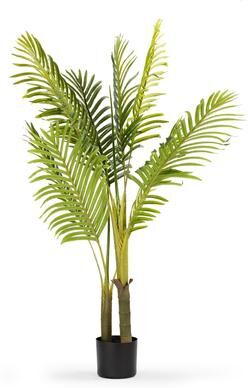
Enova Floral Enova Home Realistic Artificial Palm Tree in Nursery Pot for Office House Living Room Home Decor Indoor【Lifelike Simulation】This artificial palm tree is carefully crafted to mimic the appearance of real tree, looking as close to reality as possible. Single trunk splits into several stems.81,49 $*Shipping: 0,00 $Secure redirect to the provider


-
Have you eaten boxwood leaves?
No, I have not eaten boxwood leaves. Boxwood leaves are not typically consumed as they can be toxic to humans and animals if ingested. It's important to be cautious with plants and ensure that they are safe for consumption before consuming them. If you have any concerns about a specific plant, it's best to consult with a knowledgeable source or expert before consuming it. **
-
What does our boxwood have?
Our boxwood has dense, evergreen foliage that provides year-round interest in the garden. It also has small, inconspicuous flowers that bloom in the spring. Additionally, our boxwood has a compact, rounded growth habit that makes it a versatile plant for use in hedges, borders, or as a specimen plant. **
-
How do I remove artificial nails at home?
To remove artificial nails at home, you can start by trimming the nails down as much as possible using nail clippers. Then, you can soak your nails in a bowl of acetone for about 15-20 minutes to help loosen the adhesive. After soaking, use a cuticle pusher to gently lift the artificial nails off. If there is still some adhesive left, you can use a nail buffer to gently buff it away. Finally, moisturize your nails and cuticles to help restore moisture and prevent any damage. **
-
What is a disease on boxwood?
Boxwood blight is a common disease that affects boxwood plants. It is caused by a fungus called Calonectria pseudonaviculata. Symptoms of boxwood blight include dark spots on leaves, black streaks on stems, and defoliation. This disease can spread quickly and is often difficult to control, making it important to promptly identify and treat infected plants. **

Where can one get European boxwood?
European boxwood can be found at nurseries, garden centers, and online plant retailers. It is a popular choice for hedges, topiaries, and formal gardens, so it is often readily available at places that specialize in these types of plants. Additionally, European boxwood can also be found at specialty plant sales, botanical gardens, and plant shows. **
What can be done against boxwood infestation?
To combat boxwood infestation, it is important to first identify the specific pest or disease causing the problem. Once identified, appropriate treatment methods can be implemented, such as using insecticidal soaps or horticultural oils to control pests, or applying fungicides to combat diseases. Regularly inspecting boxwood plants for signs of infestation and maintaining good plant health through proper watering, fertilization, and pruning can also help prevent infestations. In severe cases, it may be necessary to remove and destroy heavily infested plants to prevent the spread of pests or diseases to other plants in the area. **
Top-Angebote
Products related to Enova-Home-Artificial-Boxwood:
-
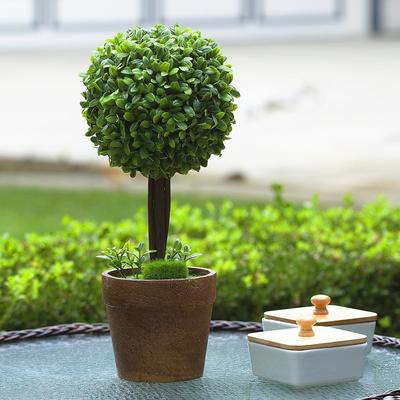
Enova Home Artificial Boxwood Single Ball Round Topiary Fake Plants in Pot for Home Office DecorationAdd a touch of chic botanical style to any space in your home with this lovely faux plant. Real plants are a staple of home decor, but they can be a hassle to water and tend to.41,49 $*Shipping: 0,00 $Secure redirect to the provider
-
Kodotan sofa 2x Artificial Boxwood Ball Ø40,6cm Garden Deco Boxwood in Flowerpot Ball Artificial Boxwood Ball Artificial Plant made of PERealistic and Lush: Artificial plants have 6 layers of leaves for added visual appeal and realism and require minimal upkeep. They don't need watering, trimming, or fertilizing.95,49 $*Shipping: 0,00 $Secure redirect to the provider
-
Enova Home Artificial Calla Lily Arrangement in Glass Vase - CreamEnjoy the look of fresh flowers year-round with this artificial arrangement from Enova Home. Eight cream-colored silk calla lilies are arranged in a clear glass vase, along with faux water for a realistic look.46,99 $*Shipping: 0,00 $Secure redirect to the provider
-
Why doesn't the boxwood grow?
The boxwood may not be growing due to various reasons such as inadequate sunlight, poor soil quality, lack of nutrients, overwatering, or pests/diseases. Boxwoods require well-draining soil, sufficient sunlight, and regular watering to thrive. It is important to assess the growing conditions and address any issues to promote healthy growth in boxwood plants. **
-
Can the boxwood be pruned?
Yes, boxwood can be pruned. In fact, regular pruning is often necessary to maintain the desired shape and size of the plant. Boxwood can be pruned at any time of the year, but it is best to avoid heavy pruning during the hottest part of the summer. When pruning, it is important to use sharp, clean tools and to avoid cutting into old wood, as this can lead to unsightly bare patches. Overall, proper pruning can help promote healthy growth and maintain the appearance of the boxwood plant. **
-
Have you eaten boxwood leaves?
No, I have not eaten boxwood leaves. Boxwood leaves are not typically consumed as they can be toxic to humans and animals if ingested. It's important to be cautious with plants and ensure that they are safe for consumption before consuming them. If you have any concerns about a specific plant, it's best to consult with a knowledgeable source or expert before consuming it. **
-
What does our boxwood have?
Our boxwood has dense, evergreen foliage that provides year-round interest in the garden. It also has small, inconspicuous flowers that bloom in the spring. Additionally, our boxwood has a compact, rounded growth habit that makes it a versatile plant for use in hedges, borders, or as a specimen plant. **
Similar search terms for Enova-Home-Artificial-Boxwood
-
Enova Home Enova Floral Mixed Artificial Hydrangea Flower Arrangement in Glass Vase For Home Office Wedding Decoration - Cream BlueBeautiful, Fluffy and colorful! The vigorously growing hydrangea shrub symbolizes growth, heartfelt emotions, and prosperity.49,77 $*Shipping: 0,00 $Secure redirect to the provider
-
Enova Floral Enova Home Realistic Artificial Palm Tree in Nursery Pot for Office House Living Room Home Decor Indoor【Lifelike Simulation】This artificial palm tree is carefully crafted to mimic the appearance of real tree, looking as close to reality as possible. Single trunk splits into several stems.81,49 $*Shipping: 0,00 $Secure redirect to the provider
-
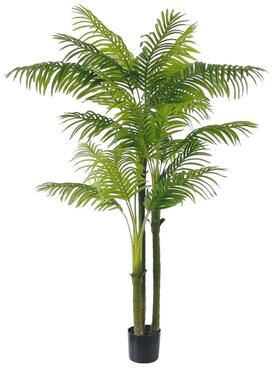
Enova Floral Enova Home Realistic Artificial Palm Tree in Nursery Pot for Office House Living Room Home Decor Indoor【Lifelike Simulation】This artificial palm tree is carefully crafted to mimic the appearance of real tree, looking as close to reality as possible. Single trunk splits into several stems.112,49 $*Shipping: 0,00 $Secure redirect to the provider
-
How do I remove artificial nails at home?
To remove artificial nails at home, you can start by trimming the nails down as much as possible using nail clippers. Then, you can soak your nails in a bowl of acetone for about 15-20 minutes to help loosen the adhesive. After soaking, use a cuticle pusher to gently lift the artificial nails off. If there is still some adhesive left, you can use a nail buffer to gently buff it away. Finally, moisturize your nails and cuticles to help restore moisture and prevent any damage. **
-
What is a disease on boxwood?
Boxwood blight is a common disease that affects boxwood plants. It is caused by a fungus called Calonectria pseudonaviculata. Symptoms of boxwood blight include dark spots on leaves, black streaks on stems, and defoliation. This disease can spread quickly and is often difficult to control, making it important to promptly identify and treat infected plants. **
-
Where can one get European boxwood?
European boxwood can be found at nurseries, garden centers, and online plant retailers. It is a popular choice for hedges, topiaries, and formal gardens, so it is often readily available at places that specialize in these types of plants. Additionally, European boxwood can also be found at specialty plant sales, botanical gardens, and plant shows. **
-
What can be done against boxwood infestation?
To combat boxwood infestation, it is important to first identify the specific pest or disease causing the problem. Once identified, appropriate treatment methods can be implemented, such as using insecticidal soaps or horticultural oils to control pests, or applying fungicides to combat diseases. Regularly inspecting boxwood plants for signs of infestation and maintaining good plant health through proper watering, fertilization, and pruning can also help prevent infestations. In severe cases, it may be necessary to remove and destroy heavily infested plants to prevent the spread of pests or diseases to other plants in the area. **
* All prices are inclusive of VAT and, if applicable, plus shipping costs. The offer information is based on the details provided by the respective shop and is updated through automated processes. Real-time updates do not occur, so deviations can occur in individual cases. ** Note: Parts of this content were created by AI.