Buy gossips.eu ?
We are moving the project
gossips.eu .
Are you interested in purchasing the domain
gossips.eu ?
domain@kv-gmbh.de · 0541-91531010
Buy gossips.eu ?
Which TV channels can be received at Domaine Long Pré?
At Domaine Long Pré, guests can receive a variety of TV channels, including popular international channels such as CNN, BBC, and Eurosport. Additionally, there are channels available in different languages, catering to the diverse needs of the guests. The wide selection of TV channels ensures that guests can stay updated with news, sports, and entertainment during their stay at Domaine Long Pré. **
What does 'du brunzkache du ogsoachte' mean?
The phrase "du brunzkache du ogsoachte" is in the Bavarian dialect of German and translates to "you're crazy, you're delusional" in English. It is used to express disbelief or to dismiss someone's ideas or actions as irrational or nonsensical. **
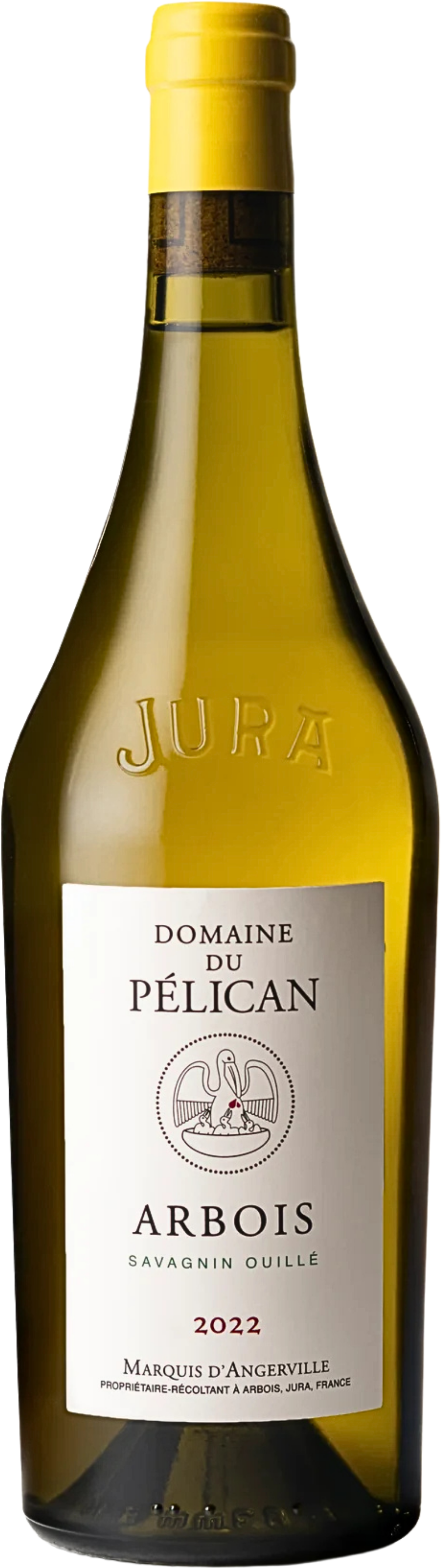
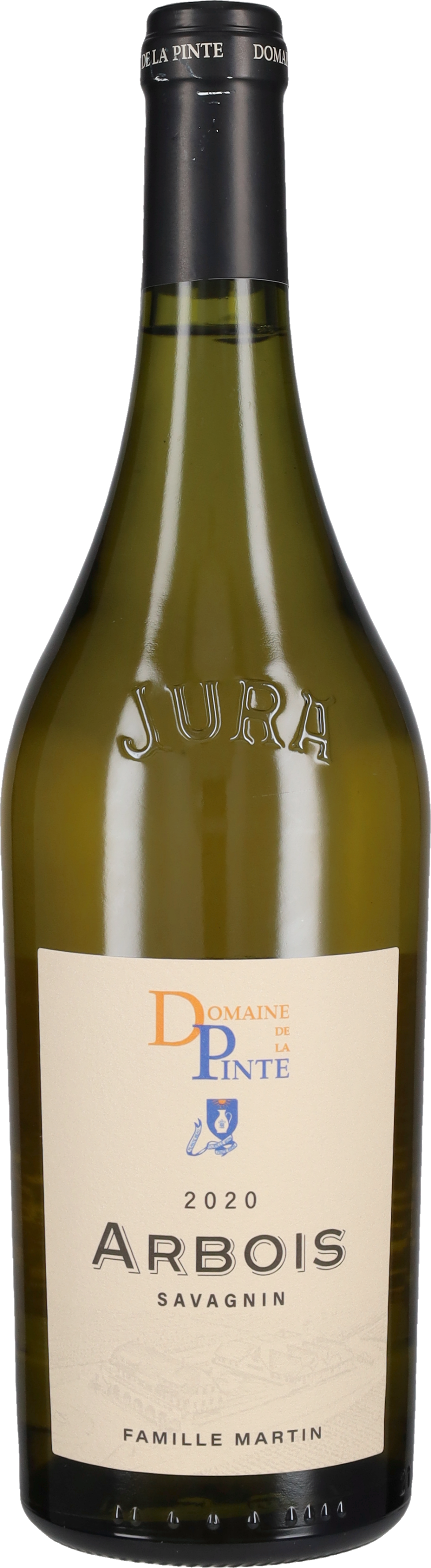
Similar search terms for Domaine-du-Pélican-Savagnin
Top-Angebote
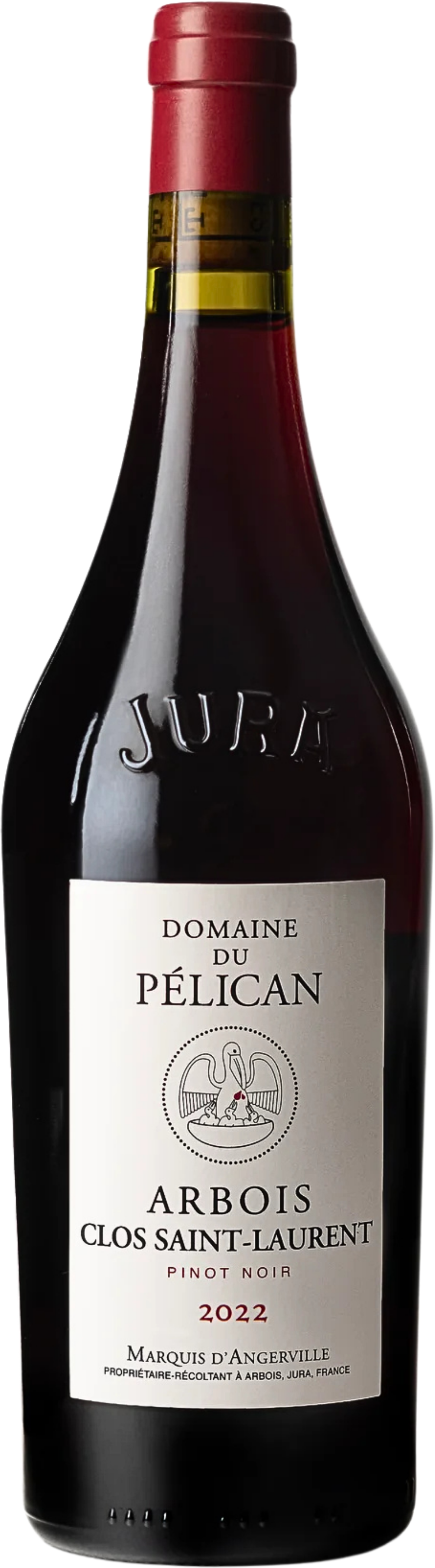
Products related to Domaine-du-Pélican-Savagnin:


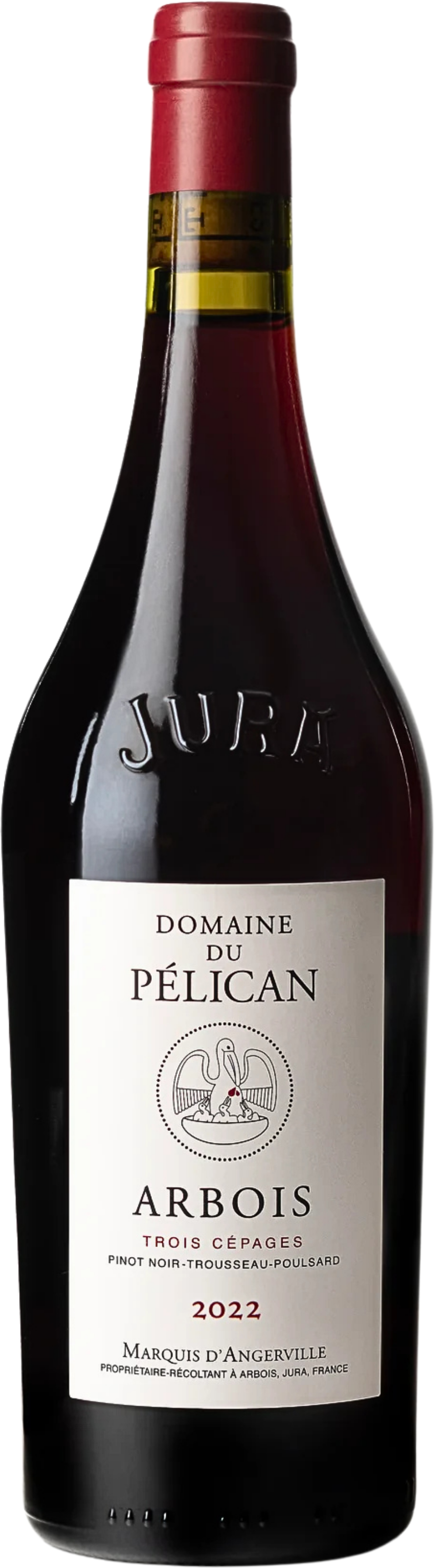
-
Do you say "Du backst" or "Du bäckst"?
The correct spelling is "Du backst." The verb "backen" is conjugated as "backst" in the second person singular form. The umlaut on the letter "a" is not used in this conjugation. **
-
Is it said "Du backst" or "Du bäckst"?
The correct form is "Du backst." The verb "backen" means "to bake" in German, and when conjugated for the second person singular (du), it takes the form "backst." The umlaut (ä) in "bäckst" is incorrect in this context. **
-
Does it say "Du hältst" or "Du hältst"?
It says "Du hältst." **
-
Does it say "Du backst" or "Du bäckst"?
It says "Du backst." The verb "backen" (to bake) is conjugated as "backst" in the second person singular form in the present tense. The form "Du bäckst" would be incorrect in standard German. **
Why do we say "du hältst" but not "du setzt" instead "du setzt dich"?
In German, the verb "setzen" typically requires a direct object, so when using it in the second person singular form, it is often accompanied by a reflexive pronoun to indicate that the action is being performed on oneself. This is why we say "du setzt dich" instead of just "du setzt." On the other hand, the verb "halten" does not require a direct object, so it can be used on its own without a reflexive pronoun, resulting in "du hältst." This distinction in usage is a characteristic of the German language and its grammar rules. **
What does "Du weißt nicht, was du willst?" mean?
"Du weißt nicht, was du willst?" is a German phrase that translates to "You don't know what you want?" in English. It is often used to express frustration or confusion towards someone who seems indecisive or unsure about their desires or intentions. The phrase can be used in various contexts, such as in relationships, decision-making, or when someone is being wishy-washy about their choices. **
Top-Angebote
Products related to Domaine-du-Pélican-Savagnin:
-
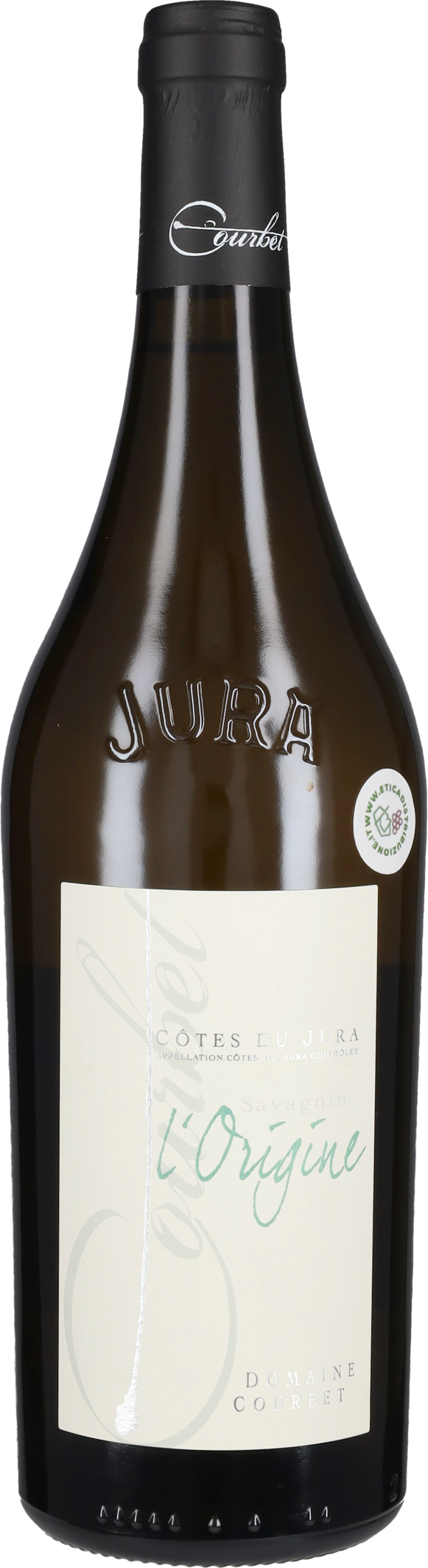
Savagnin 'Ouillé 36 mesi' Domaine de la Pinte 2020“Ouillé 36 mesi” è un concentrato di Jura, espressione pura e sincera del Savagnin. Si tratta di una delle prestigiose etichette firmate Domaine de la Pinte che hanno contribuito al successo della cantina e della zona. Ci troviamo nella “regione”, se così si può chiamare, dello Jura, per secoli considerata la sorella minore della Borgogna. Infatti nel passato questa area è sempre stata offuscata dalle leggendarie creature della Borgogna, facendo fatica ad emergere. Anno dopo anno, un numero sempre più alto di talentuosi produttori, seguendo un approccio rispettoso e sensibile nel confronto della pianta e del territorio, hanno reso la zona giurassiana una delle più innovative ed interessanti. Il binomio grande territorio e nobili vitigni ha consacrato la fama di queste terre e dei suoi prodotti. Ed è così, infatti, che nasce questa perla del Domaine, incontro tra le marne blu di Arbois e il Savagnin, l’uva di riferimento della zona, nota principalmente per dar luce a bottiglie dallo stile ossidativo. In questo caso viene realizzata secondo la tecnica dell’Ouillè che mira a colmare tutte le botti per evitare che si generino note ossidative. “Ouillé 36 mesi” Savagnin nasce sulle colline oltralpe di Arbois, composte da marne blu con componenti fossili, calcaree e argillose. Le viti, che sorgono a circa 400 metri di altitudine, risentono del clima semicontinentale e delle leggere brezze oceaniche. L’approccio in vigna segue i principi dell’agricoltura biodinamica e vieta l’utilizzo di qualsivoglia sostanza chimica. Soltanto così si può preservare l’integrità del terreno e il ciclo della natura. In cantina le fermentazioni sono attivate da lieviti indigeni e l’affinamento, che dura 36 mesi, avviene nelle classiche “barrique” di legno da 228 litri secondo lo stile Ouillè che prevede continue ricolmature. Il Domaine de la Pinte 36 mesi si tinge con un magnifico manto dorato intenso. Il naso trabocca di note di agrumi maturi e frutta secca, intervallate da sentori di spezie dolci, frutta esotica e sensazioni minerali e gessose. Al palato la linea gustativa risulta morbida e fine, equilibrata perfettamente da una solida spalla acida. Ottima la freschezza, leggermente aromatica, che ne allunga la persistenza. Una perfetta scelta per apprezzare la finezza degli Ouillè!53,00 £*Shipping: 48,00 £Secure redirect to the provider
-
Which TV channels can be received at Domaine Long Pré?
At Domaine Long Pré, guests can receive a variety of TV channels, including popular international channels such as CNN, BBC, and Eurosport. Additionally, there are channels available in different languages, catering to the diverse needs of the guests. The wide selection of TV channels ensures that guests can stay updated with news, sports, and entertainment during their stay at Domaine Long Pré. **
-
What does 'du brunzkache du ogsoachte' mean?
The phrase "du brunzkache du ogsoachte" is in the Bavarian dialect of German and translates to "you're crazy, you're delusional" in English. It is used to express disbelief or to dismiss someone's ideas or actions as irrational or nonsensical. **
-
Do you say "Du backst" or "Du bäckst"?
The correct spelling is "Du backst." The verb "backen" is conjugated as "backst" in the second person singular form. The umlaut on the letter "a" is not used in this conjugation. **
-
Is it said "Du backst" or "Du bäckst"?
The correct form is "Du backst." The verb "backen" means "to bake" in German, and when conjugated for the second person singular (du), it takes the form "backst." The umlaut (ä) in "bäckst" is incorrect in this context. **
Similar search terms for Domaine-du-Pélican-Savagnin
-
Does it say "Du hältst" or "Du hältst"?
It says "Du hältst." **
-
Does it say "Du backst" or "Du bäckst"?
It says "Du backst." The verb "backen" (to bake) is conjugated as "backst" in the second person singular form in the present tense. The form "Du bäckst" would be incorrect in standard German. **
-
Why do we say "du hältst" but not "du setzt" instead "du setzt dich"?
In German, the verb "setzen" typically requires a direct object, so when using it in the second person singular form, it is often accompanied by a reflexive pronoun to indicate that the action is being performed on oneself. This is why we say "du setzt dich" instead of just "du setzt." On the other hand, the verb "halten" does not require a direct object, so it can be used on its own without a reflexive pronoun, resulting in "du hältst." This distinction in usage is a characteristic of the German language and its grammar rules. **
-
What does "Du weißt nicht, was du willst?" mean?
"Du weißt nicht, was du willst?" is a German phrase that translates to "You don't know what you want?" in English. It is often used to express frustration or confusion towards someone who seems indecisive or unsure about their desires or intentions. The phrase can be used in various contexts, such as in relationships, decision-making, or when someone is being wishy-washy about their choices. **
* All prices are inclusive of VAT and, if applicable, plus shipping costs. The offer information is based on the details provided by the respective shop and is updated through automated processes. Real-time updates do not occur, so deviations can occur in individual cases. ** Note: Parts of this content were created by AI.