Buy gossips.eu ?
We are moving the project
gossips.eu .
Are you interested in purchasing the domain
gossips.eu ?
domain@kv-gmbh.de · 0541-91531010
Buy gossips.eu ?
What is depreciation?
Depreciation is the decrease in value of an asset over time due to wear and tear, obsolescence, or other factors. It is a method used in accounting to allocate the cost of an asset over its useful life. By recognizing depreciation expenses, a company can accurately reflect the decrease in value of its assets on its financial statements. Depreciation is important for businesses to properly account for the decrease in value of their assets and to accurately report their financial performance. **
Why is the calculated depreciation lower than the accounting depreciation?
The calculated depreciation is often lower than the accounting depreciation because it is based on the asset's useful life and salvage value, while accounting depreciation may include additional factors such as tax regulations or management's discretion. Calculated depreciation follows a systematic method like straight-line or reducing balance, whereas accounting depreciation can be influenced by various accounting policies or methods chosen by the company. Additionally, accounting depreciation may consider impairment charges or revaluation of assets, leading to differences in the calculated and accounting depreciation figures. **

Similar search terms for Depreciation
Top-Angebote
Products related to Depreciation:
-
Miraculum Velvet Scandal EDP W 30 mlMiraculum Velvet Scandal, 30 ml, Eaux de Parfum for Women, Never miss another opportunity to be the queen of the night. In a matter of seconds, the Miraculum Velvet Scandal Eau de Parfum for women turns you into a dazzling creature whose magic draws everyone near and far. fruity fragrance floral fragrance ideal choice for a free-spirited woman fresh fragrance, ideal for hot weather4,00 £*Shipping: 3,99 £Secure redirect to the provider
-
Jean Paul Gaultier Scandal 50ml 2pc GiftsetMake a bold statement with the Jean Paul Gaultier Scandal Gift Set, a luxurious fragrance duo designed for those who love to stand out. This captivating scent blends elegance with a playful edge, offering a modern twist on classic femininity. At its heart, Scandal is a rich and addictive fragrance. Sweet honey notes are layered with fresh citrus and creamy gardenia, before settling into a warm, sensual base of patchouli. The result is a fragrance that is both sophisticated and daring—perfect for day-to-night wear. Beautifully presented, this 2-piece set makes an ideal gift or a treat for yourself, combining style and scent in true Jean Paul Gaultier fashion. Set includes: 50ml Eau de Parfum Spray 75ml Body Lotion70,00 £*Shipping: 0,00 £Secure redirect to the provider



-
What is the difference between calculated depreciation and accounting depreciation?
Calculated depreciation refers to the estimated reduction in the value of an asset over time, typically based on its useful life and salvage value. Accounting depreciation, on the other hand, is the systematic allocation of the cost of an asset to its useful life in the company's financial statements, following specific accounting rules and standards. While calculated depreciation is more of an estimation, accounting depreciation is a formal recognition of the reduction in the asset's value on the company's books. **
-
What are accumulated depreciation?
Accumulated depreciation is the total amount of depreciation expense that has been recorded for a fixed asset since it was acquired. It represents the total decrease in the value of the asset over time due to wear and tear, obsolescence, or other factors. Accumulated depreciation is a contra-asset account, meaning it is subtracted from the original cost of the asset to determine its net book value on the balance sheet. It is important for accurately reflecting the true value of the asset and for calculating depreciation expense for future periods. **
-
How to calculate the depreciation of a car through straight-line depreciation?
To calculate the depreciation of a car through straight-line depreciation, you first need to determine the initial cost of the car, including any additional costs like taxes or registration fees. Next, estimate the salvage value of the car at the end of its useful life. Then, subtract the salvage value from the initial cost to find the depreciable cost. Finally, divide the depreciable cost by the number of years in the car's useful life to determine the annual depreciation expense. **
-
What is depreciation and what is meant by a declining balance depreciation?
Depreciation is the gradual decrease in the value of an asset over time due to wear and tear, obsolescence, or other factors. Declining balance depreciation is a method of calculating depreciation where the asset's value decreases by a fixed percentage each year. This method typically results in higher depreciation expenses in the earlier years of an asset's life and lower expenses in later years. **


How do you calculate the depreciation of a car through straight-line depreciation?
To calculate the depreciation of a car through straight-line depreciation, you would first determine the initial cost of the car. Then, you would subtract the car's estimated salvage value (the amount you expect to sell the car for at the end of its useful life) from the initial cost to find the depreciable cost. Next, you would divide the depreciable cost by the number of years in the car's useful life to find the annual depreciation expense. This annual depreciation expense would be the same for each year of the car's useful life, hence the term "straight-line" depreciation. **
Why is the calculated depreciation lower than the depreciation in the balance sheet?
The calculated depreciation is based on the estimated useful life of the asset and the method used for depreciation, such as straight-line or reducing balance method. It may be lower than the depreciation in the balance sheet if the company has chosen a more conservative approach to depreciation in their financial statements to account for potential fluctuations in the asset's value or to comply with accounting standards. Additionally, the company may have made adjustments for impairment or changes in the asset's useful life that are not reflected in the calculated depreciation. **
Top-Angebote
Products related to Depreciation:
-
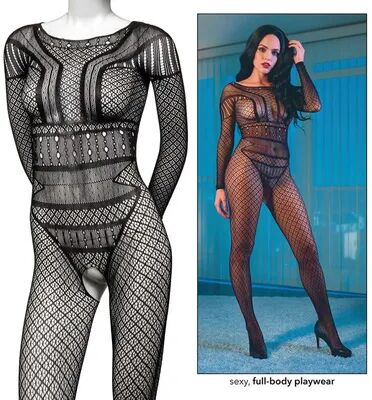
Cal Exotics, Scandal Scandal Full Length Body SuitSuit Up For Scandalous Seduction! Crotchless for easy-access play. Flaunt every inch of your fabulous figure in this stunning full-length mesh and lace bodysuit. Let its hypnotic geometric patterns cast a sexy spell on your lover. The super-stretchy...39,99 $*Shipping: 0,00 $Secure redirect to the provider
-
Sirius Dice Golden Buzz Animal Dice Set - Yellow - Golden BuzzAdd a bright touch of personality to tabletop games with the Sirius Dice Golden Buzz Animal Dice Set. The set features vibrant yellow polyhedral dice with bold red numbering, creating a distinctive bee-inspired colour combination that is easy to spot during play. Designed for role-playing games and other tabletop adventures, these dice provide the range of polyhedral shapes needed for a variety of common game mechanics. The contrasting red markings are clear against the yellow surfaces, helping players read their results at a glance. Key Features: - Yellow polyhedral dice with red numbering - Bee-inspired Golden Buzz colour scheme - Suitable for tabletop role-playing games - Designed for clear result visibility - Supplied as one consumer dice set Product Details: Brand: Sirius Dice Range: Animal Dice Colourway: Golden Buzz Product type: Polyhedral dice set14,99 £*Shipping: 3,95 £Secure redirect to the provider
-
What is depreciation?
Depreciation is the decrease in value of an asset over time due to wear and tear, obsolescence, or other factors. It is a method used in accounting to allocate the cost of an asset over its useful life. By recognizing depreciation expenses, a company can accurately reflect the decrease in value of its assets on its financial statements. Depreciation is important for businesses to properly account for the decrease in value of their assets and to accurately report their financial performance. **
-
Why is the calculated depreciation lower than the accounting depreciation?
The calculated depreciation is often lower than the accounting depreciation because it is based on the asset's useful life and salvage value, while accounting depreciation may include additional factors such as tax regulations or management's discretion. Calculated depreciation follows a systematic method like straight-line or reducing balance, whereas accounting depreciation can be influenced by various accounting policies or methods chosen by the company. Additionally, accounting depreciation may consider impairment charges or revaluation of assets, leading to differences in the calculated and accounting depreciation figures. **
-
What is the difference between calculated depreciation and accounting depreciation?
Calculated depreciation refers to the estimated reduction in the value of an asset over time, typically based on its useful life and salvage value. Accounting depreciation, on the other hand, is the systematic allocation of the cost of an asset to its useful life in the company's financial statements, following specific accounting rules and standards. While calculated depreciation is more of an estimation, accounting depreciation is a formal recognition of the reduction in the asset's value on the company's books. **
-
What are accumulated depreciation?
Accumulated depreciation is the total amount of depreciation expense that has been recorded for a fixed asset since it was acquired. It represents the total decrease in the value of the asset over time due to wear and tear, obsolescence, or other factors. Accumulated depreciation is a contra-asset account, meaning it is subtracted from the original cost of the asset to determine its net book value on the balance sheet. It is important for accurately reflecting the true value of the asset and for calculating depreciation expense for future periods. **
Similar search terms for Depreciation
-
Miraculum Velvet Scandal EDP W 30 mlMiraculum Velvet Scandal, 30 ml, Eaux de Parfum for Women, Never miss another opportunity to be the queen of the night. In a matter of seconds, the Miraculum Velvet Scandal Eau de Parfum for women turns you into a dazzling creature whose magic draws everyone near and far. fruity fragrance floral fragrance ideal choice for a free-spirited woman fresh fragrance, ideal for hot weather4,00 £*Shipping: 3,99 £Secure redirect to the provider
-
Jean Paul Gaultier Scandal 50ml 2pc GiftsetMake a bold statement with the Jean Paul Gaultier Scandal Gift Set, a luxurious fragrance duo designed for those who love to stand out. This captivating scent blends elegance with a playful edge, offering a modern twist on classic femininity. At its heart, Scandal is a rich and addictive fragrance. Sweet honey notes are layered with fresh citrus and creamy gardenia, before settling into a warm, sensual base of patchouli. The result is a fragrance that is both sophisticated and daring—perfect for day-to-night wear. Beautifully presented, this 2-piece set makes an ideal gift or a treat for yourself, combining style and scent in true Jean Paul Gaultier fashion. Set includes: 50ml Eau de Parfum Spray 75ml Body Lotion70,00 £*Shipping: 0,00 £Secure redirect to the provider
-
Rimmel London Scandal Eyes Exaggerate Eye Pencil 004Health and Beauty Eyes Rimmel London Scandal Eyes Exaggerate Eye Pencil 004 Scandal'Eyes Exaggerate eye pencil provides waterproof makeup that lasts up to 24 hours. The pencil's smooth, creamy formula makes the product easy to blend and beautifully enhances the eye frame, and the automatically retractable tip makes it easy to store the product safely. - Raincoat - Not stain - Spreads easily - Has automatic tip - Durability up to 24 hours Thanks to the refined formula, the crayon is waterproof, provides long-lasting makeup and is easy to spread. How to use: Remove the cap and paint the eye as desired.5,74 £*Shipping: 3,99 £Secure redirect to the provider
-
CHITTER CHATTER OUTDOOR ART 40X30 by West of the Wind in Multi"All weather, all season outdoor canvas art. UV Protected, Waterproof Art. 40"" x 30"" The perfect accessory for your outdoor living area, porch, patio or balcony. Place in any outdoor location with direct exposure to the elements. These sharp, vibrant..."219,99 $*Shipping: 27,38 $Secure redirect to the provider
-
How to calculate the depreciation of a car through straight-line depreciation?
To calculate the depreciation of a car through straight-line depreciation, you first need to determine the initial cost of the car, including any additional costs like taxes or registration fees. Next, estimate the salvage value of the car at the end of its useful life. Then, subtract the salvage value from the initial cost to find the depreciable cost. Finally, divide the depreciable cost by the number of years in the car's useful life to determine the annual depreciation expense. **
-
What is depreciation and what is meant by a declining balance depreciation?
Depreciation is the gradual decrease in the value of an asset over time due to wear and tear, obsolescence, or other factors. Declining balance depreciation is a method of calculating depreciation where the asset's value decreases by a fixed percentage each year. This method typically results in higher depreciation expenses in the earlier years of an asset's life and lower expenses in later years. **
-
How do you calculate the depreciation of a car through straight-line depreciation?
To calculate the depreciation of a car through straight-line depreciation, you would first determine the initial cost of the car. Then, you would subtract the car's estimated salvage value (the amount you expect to sell the car for at the end of its useful life) from the initial cost to find the depreciable cost. Next, you would divide the depreciable cost by the number of years in the car's useful life to find the annual depreciation expense. This annual depreciation expense would be the same for each year of the car's useful life, hence the term "straight-line" depreciation. **
-
Why is the calculated depreciation lower than the depreciation in the balance sheet?
The calculated depreciation is based on the estimated useful life of the asset and the method used for depreciation, such as straight-line or reducing balance method. It may be lower than the depreciation in the balance sheet if the company has chosen a more conservative approach to depreciation in their financial statements to account for potential fluctuations in the asset's value or to comply with accounting standards. Additionally, the company may have made adjustments for impairment or changes in the asset's useful life that are not reflected in the calculated depreciation. **
* All prices are inclusive of VAT and, if applicable, plus shipping costs. The offer information is based on the details provided by the respective shop and is updated through automated processes. Real-time updates do not occur, so deviations can occur in individual cases. ** Note: Parts of this content were created by AI.