Buy gossips.eu ?
We are moving the project
gossips.eu .
Are you interested in purchasing the domain
gossips.eu ?
domain@kv-gmbh.de · 0541-91531010
Buy gossips.eu ?
Is a 12-year-old Chianti still drinkable?
Yes, a 12-year-old Chianti can still be drinkable, especially if it has been stored properly in a cool, dark place. Chianti is a red wine that is known for its aging potential, and many Chianti wines can continue to develop and improve in flavor over time. However, it's important to note that not all Chianti wines are meant for long-term aging, so it's best to consult with a wine expert or sommelier to determine if a specific bottle of Chianti is still drinkable after 12 years. **
What does 'Es gab nie einen Rosenweg' mean?
'Es gab nie einen Rosenweg' is a German phrase that translates to "There was never a rose path" in English. This phrase is used to convey the idea that life is not always easy and that there are no shortcuts to success. It suggests that achieving one's goals often requires hard work and perseverance, and that there are no easy or straightforward paths to success. **

Similar search terms for Chianti
Top-Angebote
Products related to Chianti:
-
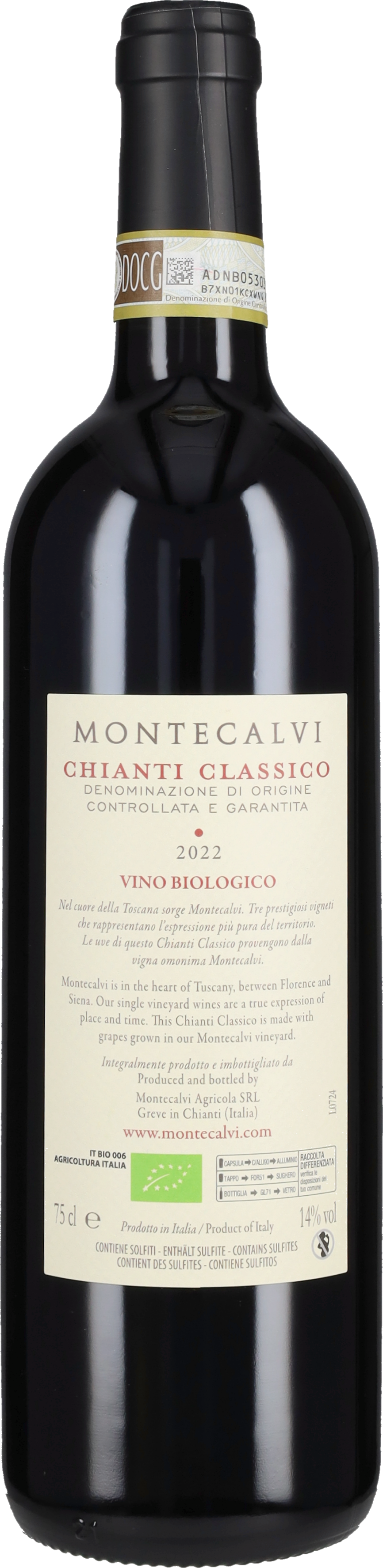
Chianti Classico Caparsa 2022Caparsa presents its Chianti Classico, a slender and meaty label that authentically expresses the famous territory from which it comes. The family-run winery Caparsa, located in Radda in Chianti, passionately manages about 12 hectares of vineyards, certified organic and almost exclusively cultivated with Sangiovese, the principal grape variety of the area. The production is characterized by a traditional and genuine style, as well as by its artisanal character and exemplary typicity. The evocative tasting room is carved out of the old cellar from the 1600s, just as the very old underground room dedicated to wine aging is. The Caparsa Chianti Classico represents a pure expression of Sangiovese, grown in Radda in Chianti at 450 meters above sea level. The harvest is done by hand and in the vineyard, practices required by certified organic farming are adopted. The alcoholic fermentation is carried out by the only yeasts naturally present on the grapes and in the cellar environment and takes place in cement tanks. In the same type of containers, the aging of some takes place.months, before bottling. Caparsa Chianti Classico DOCG has a ruby red hue with violet reflections. The aromas on the nose evoke sensual notes of violet, wild berries, cherry, morello cherry, and underbrush, blending with hints of iron. The taste is dynamic and pure, made very smooth by the crisp freshness that accompanies the pleasant mineral perceptions. A bottle that stands out for its accessibility and spontaneity, to be enjoyed with aged cheeses and cured meats or assorted red meat dishes.34,00 £*Shipping: 48,00 £Secure redirect to the provider
-
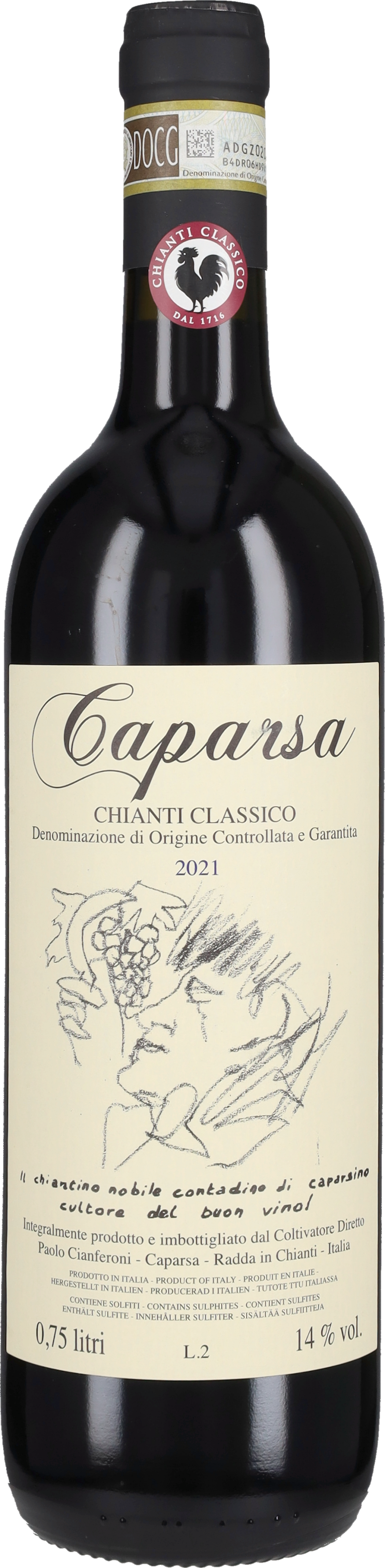
Chianti Classico Riecine 2024Chianti Classico from the Riecine estate takes the form of a typical and representative interpretation of this celebrated appellation that has strongly contributed to defining the image of oenoic Tuscany in the world. We are in Gaiole in Chianti, a subzone of Chianti Classico that, along with Radda and Castellina, is considered the most anciently devoted to viticulture. This area, included in the centre of a natural basin at the foot of the Chianti Mountains, is one of the coolest in the entire Black Rooster appellation, included among the 11 Additional Geographical Units. Riecine Chianti Classico constitutes an expression of pure Sangiovese, a black grape variety grown under a certified organic system. The vines are approximately 25-35 years old and are rooted in soils consisting mainly of limestone and clay between 450 and 500 meters above sea level. Harvesting is done by hand generally between September and October, accompanied by double selection, both in the vineyard and in the cellar. The clusters are then mellowed in unglazed concrete tanks for alcoholic fermentation, accompanied by 15 days of maceration on the skins. The ensuing ageing phase takes place in spent tonneaux and continues for one year before bottling and further brief resting in a glass. Chianti Classico Riecine has a pale ruby red color. Seductive and characteristic aromas of red fruits and violets define the olfactory landscape, along with delicate spicy tones. The sip is voluminous, broad and round, well balanced by marked freshness and a pleasantly tannic finish. Thanks to its remarkable territorial adherence, this Chianti Classico pairs beautifully with traditional Tuscan dishes such as pici with chianina ragu.25,00 £*Shipping: 48,00 £Secure redirect to the provider
-
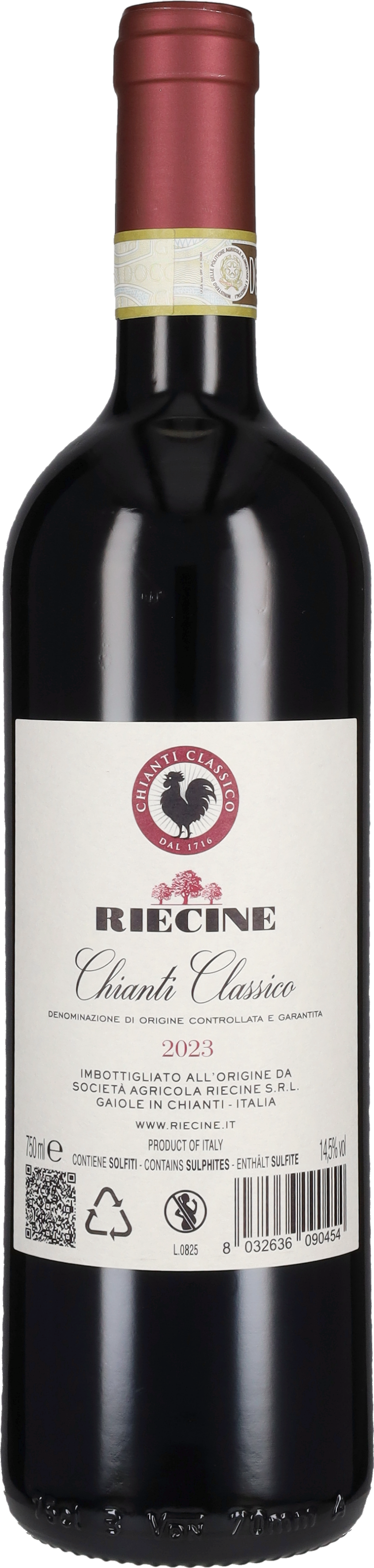
Chianti Classico Castello d'Albola 2024E’ sempre con grande piacere che si stappa una bottiglia di Chianti Classico. Quando poi è così notevole, come quello realizzato dal Castello d’Albola, l’estasi che deriva dalla beva è ancora maggiore. Si tratta infatti di un rosso di grande personalità, il cui carattere deriva da un profilo olfattivo complesso e ben presentato, dove aromi primari e terziari si mescolano con grande armonia, dando vita a un’etichetta a dir poco piacevole. La cantina Castello d’Albola conferma tutta la propria capacità nella realizzazione di grandi vini toscani, che interpretano magnificamente le dolci colline del terroir del Chianti. Il Chianti Classico di Castello d’Albola è prodotto a partire dal vitigno principe del chiantigiano, il Sangiovese, a cui si aggiunge un pizzico di un autoctono toscano, il Canaiolo. Una volta raccolte, le uve, i cui grappoli vengono selezionati con rigore e attenzione, fermentano e macerano sulle proprie bucce, in contenitori di acciaio inox. La malolattica viene svolta invece in legno. Segue poi la fase di affinamento, effettuata in fusti di rovere di Slavonia per 12 mesi, al termine dei quali il vino viene imbottigliato e commercializzato. Il vino Chianti Classico Castello d’Albola si manifesta con un colore rosso rubino, attraversato da leggere venature granata. I profumi che avvolgono il naso evidenziano sentori fruttati, impreziositi da aromi più speziati e di legno tostato. All’assaggio ha un’ottima struttura, che fa leva su un sorso saporito importante, grazie a una componente tannica ben presente. Un’etichetta che, nel corso delle annate, ha riscosso notevoli riconoscimenti, come testimoniano i prestigiosi premi assegnati dalle guide e le alte valutazioni attribuite dalle principali riviste di settore internazionali.14,00 £*Shipping: 48,00 £Secure redirect to the provider

-
Do you hear voices or whispers?
No, I do not hear voices or whispers. I am a text-based AI and do not have the ability to hear or perceive sounds. I can only respond to text inputs and provide information based on the data I have been trained on. **
-
Why do dogs' teeth chatter?
Dogs' teeth chatter for a variety of reasons, but it is commonly seen as a sign of excitement or anticipation. It can also be a response to stress, anxiety, or fear. Additionally, dogs may chatter their teeth when they are cold or experiencing discomfort. Overall, teeth chattering in dogs can be a natural response to different emotions and physical sensations. **
-
The mother gossips about me.
It's important to address the situation directly with the mother to understand why she is gossiping about you. Approach her calmly and express your concerns about the gossiping behavior. It's possible that there may be a misunderstanding or miscommunication that can be resolved through open and honest communication. Setting boundaries and maintaining a respectful relationship is key in handling gossip effectively. **
-
Why do guinea pig teeth chatter?
Guinea pig teeth chattering can be a sign of various emotions or physical sensations. It can indicate that the guinea pig is feeling anxious, excited, or even cold. In some cases, teeth chattering can also be a sign of pain or discomfort. It's important to observe the guinea pig's body language and behavior to determine the cause of the teeth chattering and address any underlying issues. **


Why do a dog's teeth chatter?
A dog's teeth may chatter due to a variety of reasons, such as feeling cold, anxious, excited, or in pain. Chattering teeth can also be a sign of a medical issue, such as dental problems or neurological disorders. It is important to observe the context in which the teeth chattering occurs and consult a veterinarian if it persists or is accompanied by other concerning symptoms. **
Why do teeth chatter during sleep?
Teeth chattering during sleep is often a result of the body's natural response to cold temperatures. When the body gets cold, it shivers to generate heat and maintain a stable internal temperature. This shivering can cause the teeth to chatter as well. Additionally, teeth chattering during sleep can also be a sign of stress or anxiety, as the body's muscles may tense up and cause involuntary movements, including teeth chattering. If teeth chattering during sleep becomes a frequent occurrence, it may be worth discussing with a healthcare professional to rule out any underlying issues. **
Top-Angebote
Products related to Chianti:
-
Chianti Classico Vallepicciola 2023The Chianti Classico from Vallepicciola is a Tuscan red wine whose class lies in its ability to bring to light the most typical traits of the denomination to which it belongs. The aroma of wilted violet, typical of Sangiovese, envelops a fruity and juicy nose, while on the palate flows a smooth sip, dominated by a pleasant tannic grip. A label that is born in light of the strong bond between the grape variety used and the territory, and which proposes itself as one of the most representative of the entire area. This Chianti Classico is born from the use of pure grapes of a variety that well represents the Tuscan wine potential in the world, Sangiovese. The VallePicciola winery cultivates it in vineyards located near Pievasciata and Castelnuovo Berardenga, about 400 meters above sea level. Here the terroir is characterized by a mainly calcareous and clayey subsoil. The must ferments in small steel tanks, at a controlled temperature, undergoing malolactic fermentation later, in French oak barrels. The final aging lasts for 12 months, and takes place in large barrels; at the end of this period, the wine is bottled and marketed. The Chianti Classico made by the Vallepicciola winery presents itself visually with a dense, concentrated, and deep ruby red color. Intense is the olfactory profile, which outlines a progression of fruity notes and wilted flowers, enriched by returns of aromatic herbs and sweet spices. On the palate, it is medium-bodied, elegant, equipped with a refined fresh sip, which sketches a tannin that is indeed important, but never at the expense of the overall harmony that reigns during tasting. A label that, precisely with this vintage, brings together the main critics in the sector, not only nationally.16,00 £*Shipping: 48,00 £Secure redirect to the provider
-
Chianti Classico Caparsa 2022Caparsa presents its Chianti Classico, a slender and meaty label that authentically expresses the famous territory from which it comes. The family-run winery Caparsa, located in Radda in Chianti, passionately manages about 12 hectares of vineyards, certified organic and almost exclusively cultivated with Sangiovese, the principal grape variety of the area. The production is characterized by a traditional and genuine style, as well as by its artisanal character and exemplary typicity. The evocative tasting room is carved out of the old cellar from the 1600s, just as the very old underground room dedicated to wine aging is. The Caparsa Chianti Classico represents a pure expression of Sangiovese, grown in Radda in Chianti at 450 meters above sea level. The harvest is done by hand and in the vineyard, practices required by certified organic farming are adopted. The alcoholic fermentation is carried out by the only yeasts naturally present on the grapes and in the cellar environment and takes place in cement tanks. In the same type of containers, the aging of some takes place.months, before bottling. Caparsa Chianti Classico DOCG has a ruby red hue with violet reflections. The aromas on the nose evoke sensual notes of violet, wild berries, cherry, morello cherry, and underbrush, blending with hints of iron. The taste is dynamic and pure, made very smooth by the crisp freshness that accompanies the pleasant mineral perceptions. A bottle that stands out for its accessibility and spontaneity, to be enjoyed with aged cheeses and cured meats or assorted red meat dishes.34,00 £*Shipping: 48,00 £Secure redirect to the provider
-
Is a 12-year-old Chianti still drinkable?
Yes, a 12-year-old Chianti can still be drinkable, especially if it has been stored properly in a cool, dark place. Chianti is a red wine that is known for its aging potential, and many Chianti wines can continue to develop and improve in flavor over time. However, it's important to note that not all Chianti wines are meant for long-term aging, so it's best to consult with a wine expert or sommelier to determine if a specific bottle of Chianti is still drinkable after 12 years. **
-
What does 'Es gab nie einen Rosenweg' mean?
'Es gab nie einen Rosenweg' is a German phrase that translates to "There was never a rose path" in English. This phrase is used to convey the idea that life is not always easy and that there are no shortcuts to success. It suggests that achieving one's goals often requires hard work and perseverance, and that there are no easy or straightforward paths to success. **
-
Do you hear voices or whispers?
No, I do not hear voices or whispers. I am a text-based AI and do not have the ability to hear or perceive sounds. I can only respond to text inputs and provide information based on the data I have been trained on. **
-
Why do dogs' teeth chatter?
Dogs' teeth chatter for a variety of reasons, but it is commonly seen as a sign of excitement or anticipation. It can also be a response to stress, anxiety, or fear. Additionally, dogs may chatter their teeth when they are cold or experiencing discomfort. Overall, teeth chattering in dogs can be a natural response to different emotions and physical sensations. **
Similar search terms for Chianti
-
Chianti Classico Riecine 2024Chianti Classico from the Riecine estate takes the form of a typical and representative interpretation of this celebrated appellation that has strongly contributed to defining the image of oenoic Tuscany in the world. We are in Gaiole in Chianti, a subzone of Chianti Classico that, along with Radda and Castellina, is considered the most anciently devoted to viticulture. This area, included in the centre of a natural basin at the foot of the Chianti Mountains, is one of the coolest in the entire Black Rooster appellation, included among the 11 Additional Geographical Units. Riecine Chianti Classico constitutes an expression of pure Sangiovese, a black grape variety grown under a certified organic system. The vines are approximately 25-35 years old and are rooted in soils consisting mainly of limestone and clay between 450 and 500 meters above sea level. Harvesting is done by hand generally between September and October, accompanied by double selection, both in the vineyard and in the cellar. The clusters are then mellowed in unglazed concrete tanks for alcoholic fermentation, accompanied by 15 days of maceration on the skins. The ensuing ageing phase takes place in spent tonneaux and continues for one year before bottling and further brief resting in a glass. Chianti Classico Riecine has a pale ruby red color. Seductive and characteristic aromas of red fruits and violets define the olfactory landscape, along with delicate spicy tones. The sip is voluminous, broad and round, well balanced by marked freshness and a pleasantly tannic finish. Thanks to its remarkable territorial adherence, this Chianti Classico pairs beautifully with traditional Tuscan dishes such as pici with chianina ragu.25,00 £*Shipping: 48,00 £Secure redirect to the provider
-
Chianti Classico Castello d'Albola 2024E’ sempre con grande piacere che si stappa una bottiglia di Chianti Classico. Quando poi è così notevole, come quello realizzato dal Castello d’Albola, l’estasi che deriva dalla beva è ancora maggiore. Si tratta infatti di un rosso di grande personalità, il cui carattere deriva da un profilo olfattivo complesso e ben presentato, dove aromi primari e terziari si mescolano con grande armonia, dando vita a un’etichetta a dir poco piacevole. La cantina Castello d’Albola conferma tutta la propria capacità nella realizzazione di grandi vini toscani, che interpretano magnificamente le dolci colline del terroir del Chianti. Il Chianti Classico di Castello d’Albola è prodotto a partire dal vitigno principe del chiantigiano, il Sangiovese, a cui si aggiunge un pizzico di un autoctono toscano, il Canaiolo. Una volta raccolte, le uve, i cui grappoli vengono selezionati con rigore e attenzione, fermentano e macerano sulle proprie bucce, in contenitori di acciaio inox. La malolattica viene svolta invece in legno. Segue poi la fase di affinamento, effettuata in fusti di rovere di Slavonia per 12 mesi, al termine dei quali il vino viene imbottigliato e commercializzato. Il vino Chianti Classico Castello d’Albola si manifesta con un colore rosso rubino, attraversato da leggere venature granata. I profumi che avvolgono il naso evidenziano sentori fruttati, impreziositi da aromi più speziati e di legno tostato. All’assaggio ha un’ottima struttura, che fa leva su un sorso saporito importante, grazie a una componente tannica ben presente. Un’etichetta che, nel corso delle annate, ha riscosso notevoli riconoscimenti, come testimoniano i prestigiosi premi assegnati dalle guide e le alte valutazioni attribuite dalle principali riviste di settore internazionali.14,00 £*Shipping: 48,00 £Secure redirect to the provider
-
Chianti Classico Borgo Salcetino 2022malolactic fermentation. Only after the final blending will the definitive liquid come to light, which will further refine in the bottle. The red Chianti, obtained from the Borgo Salcetino winery in the Classica area of the denomination, fills the glass with an enchanting ruby hue. On the nose, it reveals intense aromas of spices and raspberries, set against a backdrop of cocoa and tobacco. The sip is full and reveals a good correspondence with the olfactory sensation. On the palate, the tannin is velvety and lingers with persistence, accompanied by pleasant fruity returns. The great feelings of the Livon family for viticulture are perceptible through this convivial Tuscan red, characterized by a strong gastronomic vocation.malolactic fermentation. Only after the final blending will the definitive liquid come to light, which will further refine in the bottle. The red Chianti, obtained from the Borgo Salcetino winery in the Classica area of the denomination, fills the glass with an enchanting ruby hue. On the nose, it reveals intense aromas of spices and raspberries, set against a backdrop of cocoa and tobacco. The sip is full and reveals a good correspondence with the olfactory sensation. On the palate, the tannin is velvety and lingers with persistence, accompanied by pleasant fruity returns. The great feelings of the Livon family for viticulture are perceptible through this convivial Tuscan red, characterized by a strong gastronomic vocation.12,00 £*Shipping: 48,00 £Secure redirect to the provider
-
The mother gossips about me.
It's important to address the situation directly with the mother to understand why she is gossiping about you. Approach her calmly and express your concerns about the gossiping behavior. It's possible that there may be a misunderstanding or miscommunication that can be resolved through open and honest communication. Setting boundaries and maintaining a respectful relationship is key in handling gossip effectively. **
-
Why do guinea pig teeth chatter?
Guinea pig teeth chattering can be a sign of various emotions or physical sensations. It can indicate that the guinea pig is feeling anxious, excited, or even cold. In some cases, teeth chattering can also be a sign of pain or discomfort. It's important to observe the guinea pig's body language and behavior to determine the cause of the teeth chattering and address any underlying issues. **
-
Why do a dog's teeth chatter?
A dog's teeth may chatter due to a variety of reasons, such as feeling cold, anxious, excited, or in pain. Chattering teeth can also be a sign of a medical issue, such as dental problems or neurological disorders. It is important to observe the context in which the teeth chattering occurs and consult a veterinarian if it persists or is accompanied by other concerning symptoms. **
-
Why do teeth chatter during sleep?
Teeth chattering during sleep is often a result of the body's natural response to cold temperatures. When the body gets cold, it shivers to generate heat and maintain a stable internal temperature. This shivering can cause the teeth to chatter as well. Additionally, teeth chattering during sleep can also be a sign of stress or anxiety, as the body's muscles may tense up and cause involuntary movements, including teeth chattering. If teeth chattering during sleep becomes a frequent occurrence, it may be worth discussing with a healthcare professional to rule out any underlying issues. **
* All prices are inclusive of VAT and, if applicable, plus shipping costs. The offer information is based on the details provided by the respective shop and is updated through automated processes. Real-time updates do not occur, so deviations can occur in individual cases. ** Note: Parts of this content were created by AI.