Buy gossips.eu ?
We are moving the project
gossips.eu .
Are you interested in purchasing the domain
gossips.eu ?
domain@kv-gmbh.de · 0541-91531010
Buy gossips.eu ?
What is the difference between allosteric inhibition and allosteric activation?
Allosteric inhibition occurs when a molecule binds to an allosteric site on an enzyme, causing a conformational change that decreases the enzyme's activity. In contrast, allosteric activation involves a molecule binding to an allosteric site on an enzyme, leading to a conformational change that increases the enzyme's activity. Essentially, allosteric inhibition decreases enzyme activity, while allosteric activation increases enzyme activity. **
Is allosteric inhibition irreversible?
Allosteric inhibition is typically reversible, meaning that the inhibitor can bind to the allosteric site and block the activity of the enzyme, but can also dissociate from the site, allowing the enzyme to regain its activity. This is in contrast to irreversible inhibition, where the inhibitor forms a covalent bond with the enzyme, permanently inactivating it. **

Similar search terms for Allosteric
Top-Angebote
Products related to Allosteric:
-
Quinny Buzz Stroller - Pink BlushThe Quinny Buzz 3 Wheel Stroller is immediately recognizable by its superb design and unique automatic fold-out system. Thanks to a specially preformed ergonomic seat, the new 2011 Quinny Buzz offers the ultimate in comfort. With its futuristic...290,00 $*Shipping: 0,00 $Secure redirect to the provider
-
Quinny Buzz Xtra - Rocking BlackNEW canopy design with more coverage and flip out visor; NEW air filled front tires; NEW tailored shopping basket; Reversible seat so baby can face mom or the world; Multiple position recline; 2 positions in forward mode; 2 positions in mode where...297,50 $*Shipping: 0,00 $Secure redirect to the provider
-
Jean Paul Gaultier Scandal Men's 100ml 2pc GiftsetGiftset includes: 100ml Eau de Toilette Spray, 75ml Shower Gel. The Jean Paul Gaultier Scandal Pour Homme Giftset includes a 100ml Eau de Toilette and a 75ml Shower Gel, crafted for the man who lives unapologetically. Vibrant, powerful, and captivating, this daring duo delivers a full sensory experience, making a bold statement from the very first spray to the lasting final impression.83,60 £*Shipping: 0,00 £Secure redirect to the provider


-
What is allosteric inhibition?
Allosteric inhibition is a type of enzyme regulation where a molecule binds to a site on the enzyme that is different from the active site, causing a conformational change in the enzyme's structure. This change reduces the enzyme's activity and ability to bind to its substrate, ultimately inhibiting its function. Allosteric inhibition is a reversible process and can be used to regulate enzyme activity in response to changing cellular conditions. **
-
What is a cofactor allosteric activator?
A cofactor allosteric activator is a molecule that binds to an enzyme at a site other than the active site, causing a conformational change in the enzyme that increases its activity. This type of activator works by promoting the enzyme's ability to bind to its substrate and carry out its catalytic function. Cofactor allosteric activators are important for regulating enzyme activity in response to changes in the cell's environment, allowing for fine-tuning of metabolic pathways and other cellular processes. **
-
Does Vmax change in allosteric inhibition?
Yes, Vmax can change in allosteric inhibition. Allosteric inhibition occurs when a molecule binds to an enzyme at a site other than the active site, causing a conformational change that reduces the enzyme's activity. This can result in a decrease in the enzyme's maximum velocity (Vmax) as the enzyme becomes less efficient at catalyzing the reaction. Therefore, allosteric inhibition can lead to a decrease in Vmax, ultimately affecting the rate of the enzymatic reaction. **
-
Is end product repression automatically an allosteric inhibition?
End product repression is not automatically an allosteric inhibition. While end product repression often involves the inhibition of an enzyme by the end product of a metabolic pathway, this inhibition can occur through various mechanisms. Allosteric inhibition is one possible mechanism, where the end product binds to a site on the enzyme other than the active site, leading to a conformational change that inhibits the enzyme's activity. However, end product repression can also occur through competitive inhibition, non-competitive inhibition, or other regulatory mechanisms that do not involve allosteric binding. **


Is allosteric inhibition the same as non-competitive inhibition?
Allosteric inhibition and non-competitive inhibition are not the same, although they are related. Non-competitive inhibition refers to the binding of an inhibitor to a site on the enzyme that is not the active site, thereby preventing the substrate from binding to the active site. Allosteric inhibition, on the other hand, occurs when an inhibitor binds to a site on the enzyme that is distinct from the active site, causing a conformational change in the enzyme that reduces its activity. While both types of inhibition involve the binding of an inhibitor to a site other than the active site, allosteric inhibition specifically involves a change in the enzyme's shape and activity. **
Is an end-product repression automatically an allosteric inhibition?
No, an end-product repression is not automatically an allosteric inhibition. End-product repression refers to the regulation of enzyme activity by the final product of a metabolic pathway, typically through feedback inhibition. This can occur through various mechanisms, including competitive inhibition or non-competitive inhibition, in addition to allosteric inhibition. Allosteric inhibition specifically involves the binding of a molecule at a site other than the active site, leading to a conformational change that affects enzyme activity. **
Top-Angebote
Products related to Allosteric:
-
Jean Paul Gaultier Scandal 50ml 2pc GiftsetMake a bold statement with the Jean Paul Gaultier Scandal Gift Set, a luxurious fragrance duo designed for those who love to stand out. This captivating scent blends elegance with a playful edge, offering a modern twist on classic femininity. At its heart, Scandal is a rich and addictive fragrance. Sweet honey notes are layered with fresh citrus and creamy gardenia, before settling into a warm, sensual base of patchouli. The result is a fragrance that is both sophisticated and daring—perfect for day-to-night wear. Beautifully presented, this 2-piece set makes an ideal gift or a treat for yourself, combining style and scent in true Jean Paul Gaultier fashion. Set includes: 50ml Eau de Parfum Spray 75ml Body Lotion78,00 £*Shipping: 0,00 £Secure redirect to the provider
-
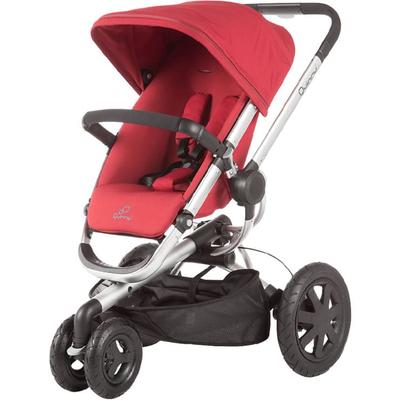
Quinny Buzz Xtra - Red RumorThe Buzz Xtra stroller is designed to perform great everywhere, whether it is on sandy footpaths or the muddy tracks of the forest. It offers maximum comfort on any terrain and is suitable from birth until 3 years old. Use from birth with Tukk...297,50 $*Shipping: 0,00 $Secure redirect to the provider
-
Quinny Buzz Stroller - Pink BlushThe Quinny Buzz 3 Wheel Stroller is immediately recognizable by its superb design and unique automatic fold-out system. Thanks to a specially preformed ergonomic seat, the new 2011 Quinny Buzz offers the ultimate in comfort. With its futuristic...290,00 $*Shipping: 0,00 $Secure redirect to the provider
-
Quinny Buzz Xtra - Rocking BlackNEW canopy design with more coverage and flip out visor; NEW air filled front tires; NEW tailored shopping basket; Reversible seat so baby can face mom or the world; Multiple position recline; 2 positions in forward mode; 2 positions in mode where...297,50 $*Shipping: 0,00 $Secure redirect to the provider
-
What is the difference between allosteric inhibition and allosteric activation?
Allosteric inhibition occurs when a molecule binds to an allosteric site on an enzyme, causing a conformational change that decreases the enzyme's activity. In contrast, allosteric activation involves a molecule binding to an allosteric site on an enzyme, leading to a conformational change that increases the enzyme's activity. Essentially, allosteric inhibition decreases enzyme activity, while allosteric activation increases enzyme activity. **
-
Is allosteric inhibition irreversible?
Allosteric inhibition is typically reversible, meaning that the inhibitor can bind to the allosteric site and block the activity of the enzyme, but can also dissociate from the site, allowing the enzyme to regain its activity. This is in contrast to irreversible inhibition, where the inhibitor forms a covalent bond with the enzyme, permanently inactivating it. **
-
What is allosteric inhibition?
Allosteric inhibition is a type of enzyme regulation where a molecule binds to a site on the enzyme that is different from the active site, causing a conformational change in the enzyme's structure. This change reduces the enzyme's activity and ability to bind to its substrate, ultimately inhibiting its function. Allosteric inhibition is a reversible process and can be used to regulate enzyme activity in response to changing cellular conditions. **
-
What is a cofactor allosteric activator?
A cofactor allosteric activator is a molecule that binds to an enzyme at a site other than the active site, causing a conformational change in the enzyme that increases its activity. This type of activator works by promoting the enzyme's ability to bind to its substrate and carry out its catalytic function. Cofactor allosteric activators are important for regulating enzyme activity in response to changes in the cell's environment, allowing for fine-tuning of metabolic pathways and other cellular processes. **
Similar search terms for Allosteric
-
Jean Paul Gaultier Scandal Men's 100ml 2pc GiftsetGiftset includes: 100ml Eau de Toilette Spray, 75ml Shower Gel. The Jean Paul Gaultier Scandal Pour Homme Giftset includes a 100ml Eau de Toilette and a 75ml Shower Gel, crafted for the man who lives unapologetically. Vibrant, powerful, and captivating, this daring duo delivers a full sensory experience, making a bold statement from the very first spray to the lasting final impression.83,60 £*Shipping: 0,00 £Secure redirect to the provider
-
Quinny Buzz 2008 Stroller in SulphurWith its revolutionary European design, the sleek and chic Quinny Buzz 3 is destined to be the most coveted stroller on the block. Available in select specialty stores only, the Buzz 3 is built for exceptional maneuverability, with a front...274,50 $*Shipping: 0,00 $Secure redirect to the provider
-
Quinny Buzz Xtra - Purple PaceThe Buzz Xtra stroller is designed to perform great everywhere, whether it is on sandy footpaths or the muddy tracks of the forest. It offers maximum comfort on any terrain and is suitable from birth until 3 years old. Use from birth with Tukk...297,50 $*Shipping: 0,00 $Secure redirect to the provider
-
Does Vmax change in allosteric inhibition?
Yes, Vmax can change in allosteric inhibition. Allosteric inhibition occurs when a molecule binds to an enzyme at a site other than the active site, causing a conformational change that reduces the enzyme's activity. This can result in a decrease in the enzyme's maximum velocity (Vmax) as the enzyme becomes less efficient at catalyzing the reaction. Therefore, allosteric inhibition can lead to a decrease in Vmax, ultimately affecting the rate of the enzymatic reaction. **
-
Is end product repression automatically an allosteric inhibition?
End product repression is not automatically an allosteric inhibition. While end product repression often involves the inhibition of an enzyme by the end product of a metabolic pathway, this inhibition can occur through various mechanisms. Allosteric inhibition is one possible mechanism, where the end product binds to a site on the enzyme other than the active site, leading to a conformational change that inhibits the enzyme's activity. However, end product repression can also occur through competitive inhibition, non-competitive inhibition, or other regulatory mechanisms that do not involve allosteric binding. **
-
Is allosteric inhibition the same as non-competitive inhibition?
Allosteric inhibition and non-competitive inhibition are not the same, although they are related. Non-competitive inhibition refers to the binding of an inhibitor to a site on the enzyme that is not the active site, thereby preventing the substrate from binding to the active site. Allosteric inhibition, on the other hand, occurs when an inhibitor binds to a site on the enzyme that is distinct from the active site, causing a conformational change in the enzyme that reduces its activity. While both types of inhibition involve the binding of an inhibitor to a site other than the active site, allosteric inhibition specifically involves a change in the enzyme's shape and activity. **
-
Is an end-product repression automatically an allosteric inhibition?
No, an end-product repression is not automatically an allosteric inhibition. End-product repression refers to the regulation of enzyme activity by the final product of a metabolic pathway, typically through feedback inhibition. This can occur through various mechanisms, including competitive inhibition or non-competitive inhibition, in addition to allosteric inhibition. Allosteric inhibition specifically involves the binding of a molecule at a site other than the active site, leading to a conformational change that affects enzyme activity. **
* All prices are inclusive of VAT and, if applicable, plus shipping costs. The offer information is based on the details provided by the respective shop and is updated through automated processes. Real-time updates do not occur, so deviations can occur in individual cases. ** Note: Parts of this content were created by AI.