Buy gossips.eu ?
We are moving the project
gossips.eu .
Are you interested in purchasing the domain
gossips.eu ?
domain@kv-gmbh.de · 0541-91531010
Buy gossips.eu ?
Why do the speakers on the PC buzz, while the phone and other speakers do not buzz?
The buzzing sound from the speakers on the PC may be due to electromagnetic interference caused by the proximity of the internal components of the computer. The phone and other speakers may not buzz because they are shielded from this interference or are designed with better insulation to prevent such buzzing. Additionally, the quality of the speakers and the materials used in their construction can also play a role in whether or not they produce a buzzing sound. **
Why do the speakers buzz after restarting the PC?
The speakers may buzz after restarting the PC due to a power surge or interference caused by the rebooting process. This can cause the speakers to pick up electrical noise or feedback from the system. It could also be a result of outdated or faulty audio drivers that need to be updated or reinstalled. Additionally, the buzzing sound could be a sign of hardware issues within the speakers themselves, such as loose connections or damaged components. **
Similar search terms for Speakers
Top-Angebote
Products related to Speakers:
-
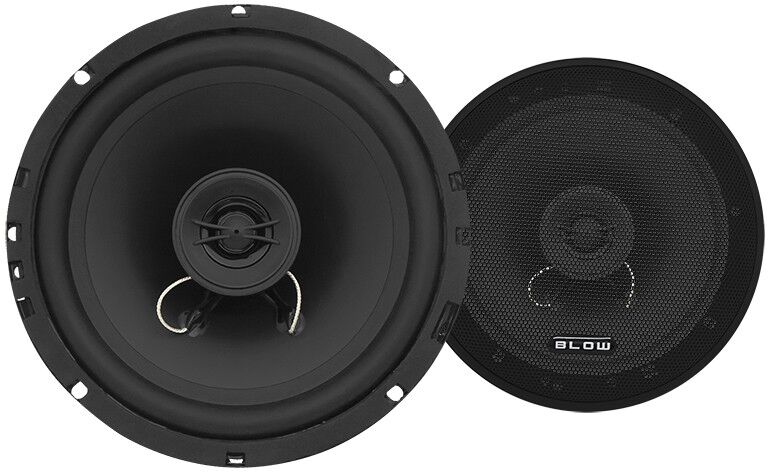
BLOW 0954# Coaxial speakersQuantity Unit: Pair; Power [W]: 150; Diameter [inch]: 6.5, 1 (coil); Resistor [ohm]: 4; Frequency Range [Hz]: 60-20000; Noise Level [dB]: 91; Diameter: 80 (magnet), 165; Fitted Diameter [mm]: 145; Fitting Depth [mm]: 57; Shape: round; Colour: black; Material: Butyl Rubber; Supplementary Article / Supplementary Info Info 2: with cover mesh; Product line: WH-1616; Type: 2-Way Coaxial; Number of bands: 2-band40,99 £*Shipping: 8,45 £Secure redirect to the provider
-
BLOW 0949# Triaxial speakersQuantity Unit: Pair; Type: 3-Way Coaxial; Length [inch]: 6; Width [inch]: 9; Resistor [ohm]: 4; Power [W]: 250; Frequency Range [Hz]: 40-22000; Noise Level [dB]: 91; Diameter: 80 (magnet); Material: Butyl Rubber; Colour: black; Shape: oval; Supplementary Article / Supplementary Info Info 2: with cover mesh; Length [mm]: 164; Width [mm]: 234; Fitting Depth [mm]: 75; Fitted Diameter [mm]: 219x149; Product line: WH-6916; Number of bands: 3-band64,49 £*Shipping: 8,45 £Secure redirect to the provider
-
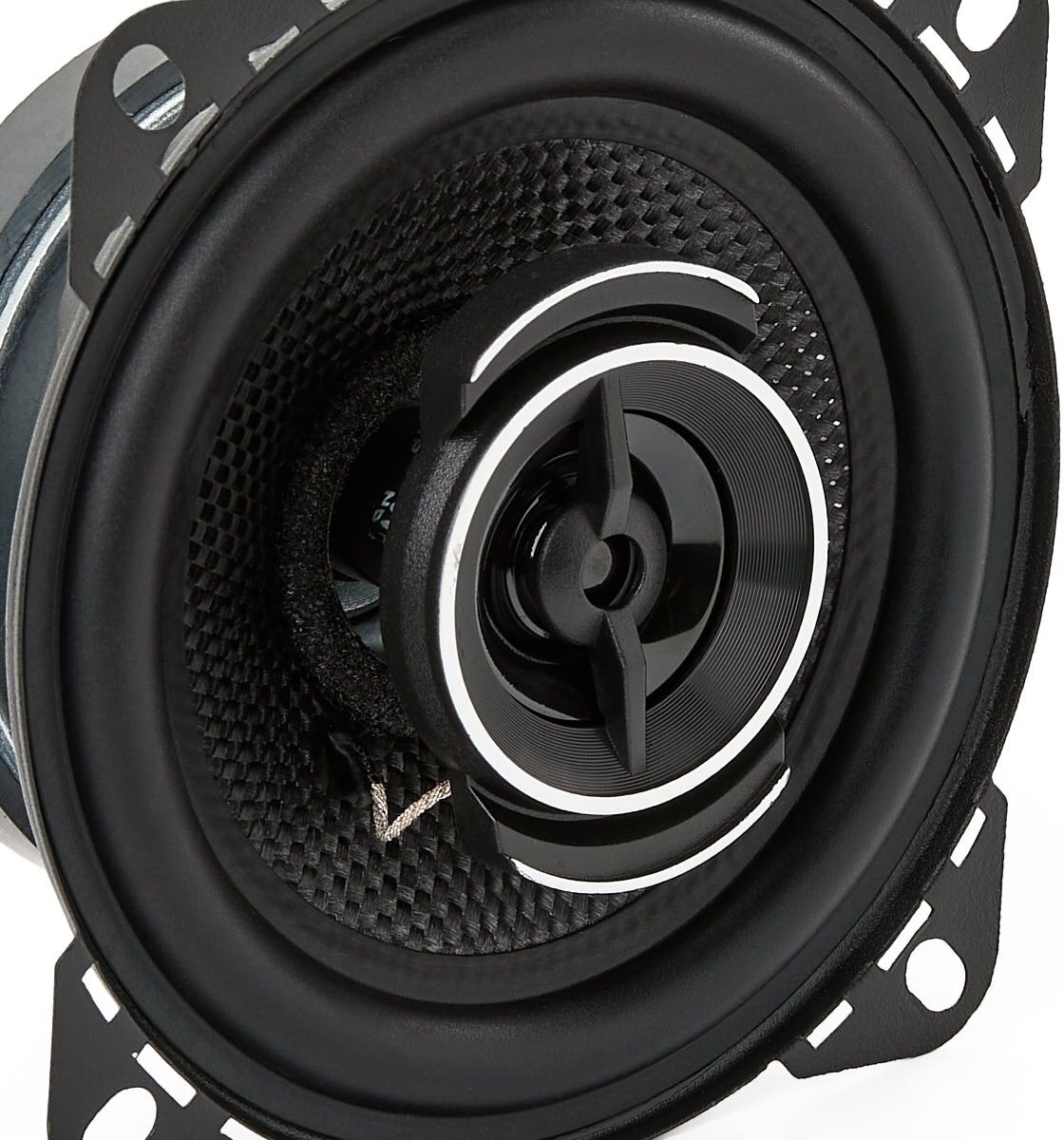
STUALARM RS132 Coaxial speakersNumber of bands: 2-band; RMS: 40 W; Power [W]: 80; Resistor [ohm]: 4; Diameter: 130; Fitting Depth [mm]: 53; Diameter [inch]: 5,25; Speaker type: coaxial system; Quantity Unit: Pair; Noise Level [dB]: 90; Frequency range from [Hz]: 70; Frequency range to [kHz]: 2039,99 £*Shipping: 8,45 £Secure redirect to the provider

-
Why do the speakers buzz after the phone is connected?
The buzzing sound that occurs after a phone is connected is typically caused by interference or a poor connection between the phone and the speakers. This interference can be due to electromagnetic signals from the phone or other electronic devices nearby. It can also be caused by a faulty cable or connector. To eliminate the buzzing sound, it is important to ensure that the phone and speakers are properly connected and that there is no interference from other electronic devices. **
-
Why do the speakers buzz when the aux cable is touched?
The speakers buzz when the aux cable is touched because of interference caused by the electrical signals being disrupted. When the cable is touched, it can create a temporary interruption in the signal flow, leading to a buzzing sound being emitted from the speakers. This interference is commonly known as "ground loop" and can occur when there are multiple paths for electrical currents to flow, causing a disruption in the audio signal. **
-
Why do the speakers buzz when turning on a floor lamp?
The buzzing sound when turning on a floor lamp is often caused by the interaction between the electrical components in the lamp. This can include the ballast, transformer, or the filament in the light bulb. When the lamp is turned on, the electrical current passing through these components can create a vibration or humming sound, which is perceived as buzzing. This buzzing can also be caused by loose or faulty wiring, which can create a poor connection and lead to the buzzing sound. **
-
What are side speakers, rear speakers, center speakers, and subwoofers?
Side speakers are positioned to the left and right of the main listening area and are responsible for creating a wider soundstage and enhancing the overall audio experience. Rear speakers are placed behind the main listening area and are used to create a sense of immersion and surround sound. Center speakers are typically placed in the middle of the front of the room and are responsible for delivering dialogue and other central audio elements. Subwoofers are dedicated to reproducing low-frequency sounds and are used to add depth and impact to the overall audio experience. **


Instead of car speakers, JBL speakers?
JBL speakers are a popular choice for car audio systems due to their high-quality sound and durability. They are known for their clear and powerful sound, making them a great alternative to traditional car speakers. JBL speakers are designed to deliver a premium audio experience, with features such as high power handling and efficient design. Overall, choosing JBL speakers for your car can enhance your driving experience with superior sound quality. **
What is the reason for the new monitor speakers to lightly buzz?
The new monitor speakers may be lightly buzzing due to electromagnetic interference from nearby electronic devices or power sources. This interference can cause a low-level buzzing or humming sound in the speakers. Additionally, the buzzing could be caused by a ground loop, which occurs when there are multiple paths to ground in an audio system, leading to unwanted noise. It's also possible that the buzzing is a result of a faulty connection or a problem with the internal components of the speakers. Troubleshooting the issue by checking connections, moving the speakers away from potential sources of interference, and testing with different audio sources can help identify and resolve the cause of the buzzing. **
Top-Angebote
Products related to Speakers:
-
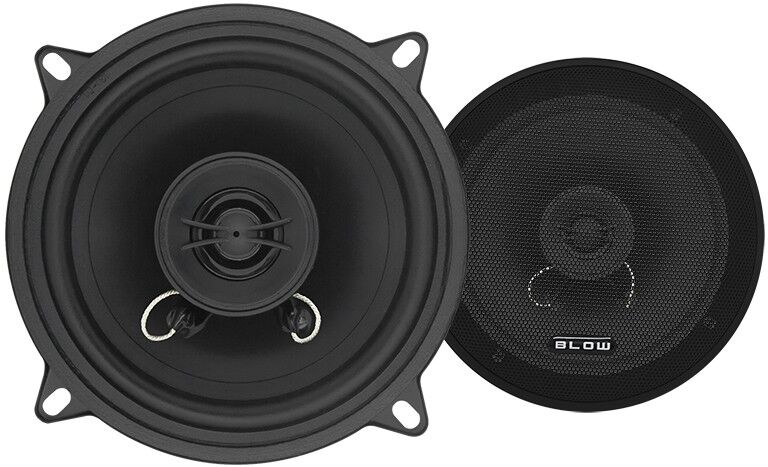
BLOW 0946# Coaxial speakersQuantity Unit: Pair; Resistor [ohm]: 4; Power [W]: 120; Diameter [inch]: 5.25, 0.75 (coil); Frequency Range [Hz]: 65-20000; Noise Level [dB]: 90; Diameter: 129, 70 (magnet); Fitted Diameter [mm]: 114; Fitting Depth [mm]: 45; Shape: round; Colour: black; Product line: WH-1516; Type: 2-Way Coaxial; Number of bands: 2-band34,99 £*Shipping: 8,45 £Secure redirect to the provider
-
BLOW 0954# Coaxial speakersQuantity Unit: Pair; Power [W]: 150; Diameter [inch]: 6.5, 1 (coil); Resistor [ohm]: 4; Frequency Range [Hz]: 60-20000; Noise Level [dB]: 91; Diameter: 80 (magnet), 165; Fitted Diameter [mm]: 145; Fitting Depth [mm]: 57; Shape: round; Colour: black; Material: Butyl Rubber; Supplementary Article / Supplementary Info Info 2: with cover mesh; Product line: WH-1616; Type: 2-Way Coaxial; Number of bands: 2-band40,99 £*Shipping: 8,45 £Secure redirect to the provider
-
BLOW 0949# Triaxial speakersQuantity Unit: Pair; Type: 3-Way Coaxial; Length [inch]: 6; Width [inch]: 9; Resistor [ohm]: 4; Power [W]: 250; Frequency Range [Hz]: 40-22000; Noise Level [dB]: 91; Diameter: 80 (magnet); Material: Butyl Rubber; Colour: black; Shape: oval; Supplementary Article / Supplementary Info Info 2: with cover mesh; Length [mm]: 164; Width [mm]: 234; Fitting Depth [mm]: 75; Fitted Diameter [mm]: 219x149; Product line: WH-6916; Number of bands: 3-band64,49 £*Shipping: 8,45 £Secure redirect to the provider
-
Why do the speakers on the PC buzz, while the phone and other speakers do not buzz?
The buzzing sound from the speakers on the PC may be due to electromagnetic interference caused by the proximity of the internal components of the computer. The phone and other speakers may not buzz because they are shielded from this interference or are designed with better insulation to prevent such buzzing. Additionally, the quality of the speakers and the materials used in their construction can also play a role in whether or not they produce a buzzing sound. **
-
Why do the speakers buzz after restarting the PC?
The speakers may buzz after restarting the PC due to a power surge or interference caused by the rebooting process. This can cause the speakers to pick up electrical noise or feedback from the system. It could also be a result of outdated or faulty audio drivers that need to be updated or reinstalled. Additionally, the buzzing sound could be a sign of hardware issues within the speakers themselves, such as loose connections or damaged components. **
-
Why do the speakers buzz after the phone is connected?
The buzzing sound that occurs after a phone is connected is typically caused by interference or a poor connection between the phone and the speakers. This interference can be due to electromagnetic signals from the phone or other electronic devices nearby. It can also be caused by a faulty cable or connector. To eliminate the buzzing sound, it is important to ensure that the phone and speakers are properly connected and that there is no interference from other electronic devices. **
-
Why do the speakers buzz when the aux cable is touched?
The speakers buzz when the aux cable is touched because of interference caused by the electrical signals being disrupted. When the cable is touched, it can create a temporary interruption in the signal flow, leading to a buzzing sound being emitted from the speakers. This interference is commonly known as "ground loop" and can occur when there are multiple paths for electrical currents to flow, causing a disruption in the audio signal. **
Similar search terms for Speakers
-
STUALARM RS132 Coaxial speakersNumber of bands: 2-band; RMS: 40 W; Power [W]: 80; Resistor [ohm]: 4; Diameter: 130; Fitting Depth [mm]: 53; Diameter [inch]: 5,25; Speaker type: coaxial system; Quantity Unit: Pair; Noise Level [dB]: 90; Frequency range from [Hz]: 70; Frequency range to [kHz]: 2039,99 £*Shipping: 8,45 £Secure redirect to the provider
-
Pioneer TS-1002I Coaxial speakersFrequency range from [Hz]: 38; Type: 1-Way; Number of bands: 2-band; Diameter: 30; Resistor [ohm]: 4; Product line: TS-1002I; Colour: black; Power [W]: 120; Outer Diameter [mm]: 100; Rated Power [W]: 25; Material: PP (Polypropylene); Shape: round; Speaker type: coaxial system; Noise Level [dB]: 87; Resistance [ohm]: 4; Connector type: Renault, Opel, Volkswagen; Frequency range to [Hz]: 2900057,99 £*Shipping: 8,45 £Secure redirect to the provider
-
Pioneer TS-1302I Coaxial speakersResistor [ohm]: 4; Product line: TS-1002I; Colour: black; Power [W]: 130; Rated Power [W]: 25; Outer Diameter [mm]: 130; Frequency range from [Hz]: 50; Shape: round, Conical; Material: PP (Polypropylene); Noise Level [dB]: 90; Resistance [ohm]: 4; Connector type: Renault, Opel, Volkswagen; Number of bands: 2-band; Frequency range to [Hz]: 27000; Diameter: 3057,99 £*Shipping: 8,45 £Secure redirect to the provider
-
Why do the speakers buzz when turning on a floor lamp?
The buzzing sound when turning on a floor lamp is often caused by the interaction between the electrical components in the lamp. This can include the ballast, transformer, or the filament in the light bulb. When the lamp is turned on, the electrical current passing through these components can create a vibration or humming sound, which is perceived as buzzing. This buzzing can also be caused by loose or faulty wiring, which can create a poor connection and lead to the buzzing sound. **
-
What are side speakers, rear speakers, center speakers, and subwoofers?
Side speakers are positioned to the left and right of the main listening area and are responsible for creating a wider soundstage and enhancing the overall audio experience. Rear speakers are placed behind the main listening area and are used to create a sense of immersion and surround sound. Center speakers are typically placed in the middle of the front of the room and are responsible for delivering dialogue and other central audio elements. Subwoofers are dedicated to reproducing low-frequency sounds and are used to add depth and impact to the overall audio experience. **
-
Instead of car speakers, JBL speakers?
JBL speakers are a popular choice for car audio systems due to their high-quality sound and durability. They are known for their clear and powerful sound, making them a great alternative to traditional car speakers. JBL speakers are designed to deliver a premium audio experience, with features such as high power handling and efficient design. Overall, choosing JBL speakers for your car can enhance your driving experience with superior sound quality. **
-
What is the reason for the new monitor speakers to lightly buzz?
The new monitor speakers may be lightly buzzing due to electromagnetic interference from nearby electronic devices or power sources. This interference can cause a low-level buzzing or humming sound in the speakers. Additionally, the buzzing could be caused by a ground loop, which occurs when there are multiple paths to ground in an audio system, leading to unwanted noise. It's also possible that the buzzing is a result of a faulty connection or a problem with the internal components of the speakers. Troubleshooting the issue by checking connections, moving the speakers away from potential sources of interference, and testing with different audio sources can help identify and resolve the cause of the buzzing. **
* All prices are inclusive of VAT and, if applicable, plus shipping costs. The offer information is based on the details provided by the respective shop and is updated through automated processes. Real-time updates do not occur, so deviations can occur in individual cases. ** Note: Parts of this content were created by AI.