Buy gossips.eu ?
We are moving the project
gossips.eu .
Are you interested in purchasing the domain
gossips.eu ?
domain@kv-gmbh.de · 0541-91531010
Buy gossips.eu ?
What is the etymology of Turkish Pepper?
The term "Turkish Pepper" is believed to have originated from the use of a specific type of pepper called "Urfa biber" in Turkish cuisine. Urfa biber is a dried red pepper that is grown in the Urfa region of Turkey and is known for its smoky, earthy flavor with a mild heat. The name "Turkish Pepper" likely refers to the origin of this specific type of pepper and its association with Turkish cuisine. **
What is the etymology of the word Funk?
The word "funk" originated in the late 17th century, derived from the French word "fumet," meaning "smell" or "vapor." It was initially used to describe a strong, musty smell. Over time, the term evolved to describe a style of music characterized by a strong rhythmic groove and soulful vocals, popularized in the 1960s and 1970s. Today, "funk" is associated with a genre of music that blends elements of soul, jazz, and rhythm and blues. **


Similar search terms for Etymology
Top-Angebote
Products related to Etymology:
-
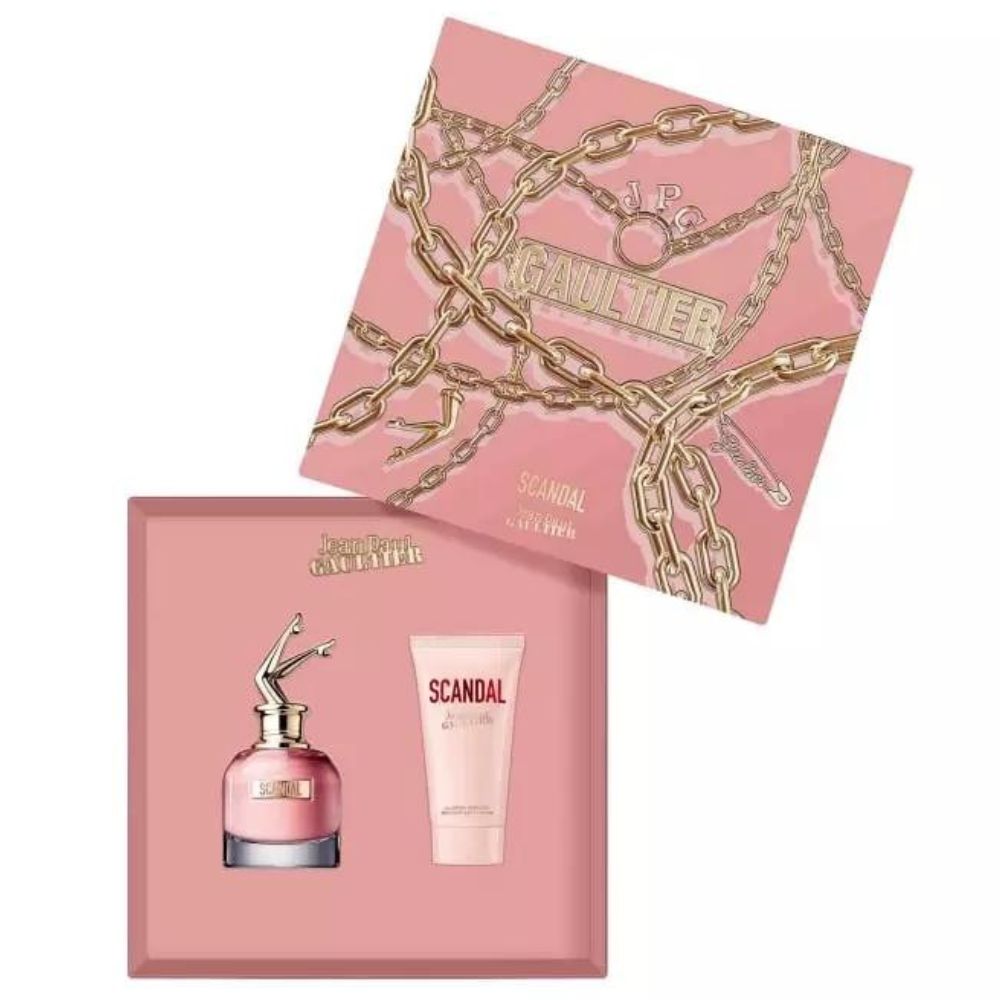
Jean Paul Gaultier Scandal 50ml 2pc GiftsetMake a bold statement with the Jean Paul Gaultier Scandal Gift Set, a luxurious fragrance duo designed for those who love to stand out. This captivating scent blends elegance with a playful edge, offering a modern twist on classic femininity. At its heart, Scandal is a rich and addictive fragrance. Sweet honey notes are layered with fresh citrus and creamy gardenia, before settling into a warm, sensual base of patchouli. The result is a fragrance that is both sophisticated and daring—perfect for day-to-night wear. Beautifully presented, this 2-piece set makes an ideal gift or a treat for yourself, combining style and scent in true Jean Paul Gaultier fashion. Set includes: 50ml Eau de Parfum Spray 75ml Body Lotion78,00 £*Shipping: 0,00 £Secure redirect to the provider
-
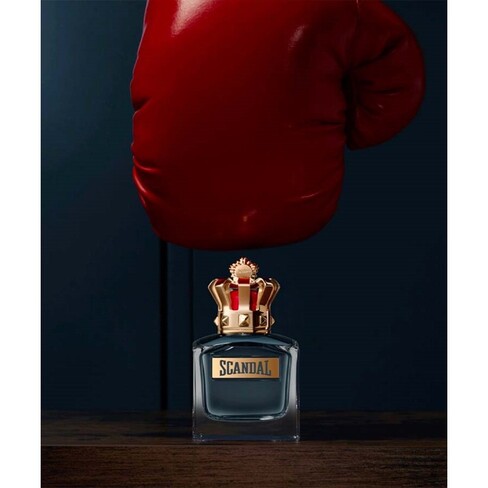
Jean Paul Gaultier Scandal Men's 100ml 2pc GiftsetGiftset includes: 100ml Eau de Toilette Spray, 75ml Shower Gel. The Jean Paul Gaultier Scandal Pour Homme Giftset includes a 100ml Eau de Toilette and a 75ml Shower Gel, crafted for the man who lives unapologetically. Vibrant, powerful, and captivating, this daring duo delivers a full sensory experience, making a bold statement from the very first spray to the lasting final impression.83,60 £*Shipping: 0,00 £Secure redirect to the provider
-
Jean Paul Gaultier Scandal Eau de Parfum for WomanAn eau de parfum. Scandal eau de parfum is the irreverent and very feminine fragrance. For a powerful and confident woman. Scandal combines the sweetness of caramel, honey and licorice with the freshness of fruits such as peach, Tangerine and the more feminine side by jamsim and gardenia. Heart notes: Gardenia, Mel, jasmine, orange blossom and peach.69,10 £*Shipping: 15,83 £Secure redirect to the provider


-
What is the etymology of the word Hexe?
The word "Hexe" comes from the Old High German word "hagazussa," which means "witch." This word is derived from the Middle High German "hag," meaning "hedge," and "zussa," meaning "sitting." The term "hagazussa" originally referred to a female magician or sorceress who was believed to have the ability to ride on the backs of animals and perform magical spells. Over time, the word evolved into "Hexe" in modern German. **
-
What is the etymology of the term "Blutblüte"?
The term "Blutblüte" is of German origin. It is a compound word made up of "Blut" meaning blood and "Blüte" meaning bloom or blossom. When combined, "Blutblüte" refers to the blooming or flourishing of blood, often used metaphorically to describe a period of violence or bloodshed. **
-
What is the connection between personal development, etymology, and philosophy?
Personal development, etymology, and philosophy are interconnected in the sense that they all involve the exploration and understanding of oneself and the world. Personal development focuses on self-improvement and growth, while etymology delves into the origins and meanings of words, and philosophy seeks to understand the fundamental nature of existence and knowledge. By studying etymology, one can gain insight into the historical and cultural context of words, which can in turn inform one's personal development and philosophical understanding. Philosophy, on the other hand, can provide a framework for understanding the deeper meaning and purpose of personal development, while also influencing the way we interpret and use language. Overall, these three areas of study are interconnected in their pursuit of self-awareness, understanding, and growth. **
-
What is the etymology of the term "Komplekte" in the DDRNVA?
The term "Komplekte" in the DDRNVA is derived from the German word "komplett," which means complete or entire. In the context of the DDRNVA, "Komplekte" refers to a set or collection of items that are necessary for a specific task or purpose. This term reflects the emphasis on organization and efficiency within the DDRNVA, as having all the necessary components in a "Komplekte" ensures readiness and effectiveness in carrying out military operations. **

What is the origin or etymology of the puzzled expression Nani Nanu?
The expression "Nani Nanu" originates from the Japanese language. "Nani" means "what" in Japanese, while "Nanu" is a playful and informal way of saying "what" in some Japanese dialects. When used together, "Nani Nanu" is a whimsical and light-hearted way of expressing confusion or puzzlement. It has gained popularity in internet culture and among fans of Japanese media. **
What is the origin or etymology of the surprised expression "Nani Nanu"?
The expression "Nani Nanu" originates from Japanese and is commonly used to express surprise or disbelief. In Japanese, "nani" means "what," and "nanu" is a colloquial variation of "nanda," which means "is" or "what is." When combined, "Nani Nanu" essentially translates to "What is it?" or "What's going on?" and is often used in anime, manga, and Japanese pop culture to convey shock or astonishment. **
Top-Angebote
Products related to Etymology:
-
Fisher Price Classic Chatter Phone for Ages 1 Year and UpThe Fisher Price Classic Chatter Phone is a nostalgic toy that brings joy and laughter to children. This delightful phone sparks imagination and encourages the development of essential motor skills. Its charming design features moving eyes and a classic rotary dial that rings, making it perfect for interactive play. The durable construction ensures long-lasting enjoyment and can withstand the rigors of active play. Suitable for children aged 1 year and up.14,39 £*Shipping: 1,99 £Secure redirect to the provider
-
Jean Paul Gaultier Scandal 50ml 2pc GiftsetMake a bold statement with the Jean Paul Gaultier Scandal Gift Set, a luxurious fragrance duo designed for those who love to stand out. This captivating scent blends elegance with a playful edge, offering a modern twist on classic femininity. At its heart, Scandal is a rich and addictive fragrance. Sweet honey notes are layered with fresh citrus and creamy gardenia, before settling into a warm, sensual base of patchouli. The result is a fragrance that is both sophisticated and daring—perfect for day-to-night wear. Beautifully presented, this 2-piece set makes an ideal gift or a treat for yourself, combining style and scent in true Jean Paul Gaultier fashion. Set includes: 50ml Eau de Parfum Spray 75ml Body Lotion78,00 £*Shipping: 0,00 £Secure redirect to the provider
-
What is the etymology of Turkish Pepper?
The term "Turkish Pepper" is believed to have originated from the use of a specific type of pepper called "Urfa biber" in Turkish cuisine. Urfa biber is a dried red pepper that is grown in the Urfa region of Turkey and is known for its smoky, earthy flavor with a mild heat. The name "Turkish Pepper" likely refers to the origin of this specific type of pepper and its association with Turkish cuisine. **
-
What is the etymology of the word Funk?
The word "funk" originated in the late 17th century, derived from the French word "fumet," meaning "smell" or "vapor." It was initially used to describe a strong, musty smell. Over time, the term evolved to describe a style of music characterized by a strong rhythmic groove and soulful vocals, popularized in the 1960s and 1970s. Today, "funk" is associated with a genre of music that blends elements of soul, jazz, and rhythm and blues. **
-
What is the etymology of the word Hexe?
The word "Hexe" comes from the Old High German word "hagazussa," which means "witch." This word is derived from the Middle High German "hag," meaning "hedge," and "zussa," meaning "sitting." The term "hagazussa" originally referred to a female magician or sorceress who was believed to have the ability to ride on the backs of animals and perform magical spells. Over time, the word evolved into "Hexe" in modern German. **
-
What is the etymology of the term "Blutblüte"?
The term "Blutblüte" is of German origin. It is a compound word made up of "Blut" meaning blood and "Blüte" meaning bloom or blossom. When combined, "Blutblüte" refers to the blooming or flourishing of blood, often used metaphorically to describe a period of violence or bloodshed. **
Similar search terms for Etymology
-
Jean Paul Gaultier Scandal Men's 100ml 2pc GiftsetGiftset includes: 100ml Eau de Toilette Spray, 75ml Shower Gel. The Jean Paul Gaultier Scandal Pour Homme Giftset includes a 100ml Eau de Toilette and a 75ml Shower Gel, crafted for the man who lives unapologetically. Vibrant, powerful, and captivating, this daring duo delivers a full sensory experience, making a bold statement from the very first spray to the lasting final impression.83,60 £*Shipping: 0,00 £Secure redirect to the provider
-
Jean Paul Gaultier Scandal Eau de Parfum for WomanAn eau de parfum. Scandal eau de parfum is the irreverent and very feminine fragrance. For a powerful and confident woman. Scandal combines the sweetness of caramel, honey and licorice with the freshness of fruits such as peach, Tangerine and the more feminine side by jamsim and gardenia. Heart notes: Gardenia, Mel, jasmine, orange blossom and peach.69,10 £*Shipping: 15,83 £Secure redirect to the provider
-
Sophie: Starlight Whispers PC Steam CD KeySophie: Starlight Whispers – PC Buy Cheap Sophie: Starlight Whispers PC Game Overview Sophie: Starlight Whispers is a narrative‑driven fantasy adventure with metroidvania elements, real‑time combat, spell collection, and a richly detailed pixel‑art world. Explore the magical kingdom of Sharan, uncover ancient mysteries, battle dark creatures, and follow Sophie’s emotional journey of courage, identity, and self‑discovery. With a vast interconnected map, dozens of spells, hand‑drawn character portraits, and a fully voiced cast, the game blends exploration, storytelling, and action into a polished indie experience. This PC version includes global activation and instant digital delivery. Key Features Deep Narrative Adventure Follow Sophie’s emotional story across a beautifully crafted fantasy world. Real‑Time Combat Fight monsters using melee attacks, spells, and special upgrades. Collect 32+ Spells Build your own combat style with a wide variety of magical abilities. Explore a Vast World Discover forests, ruins, hidden passages, and lore‑rich environments. Hand‑Drawn Characters & Pixel Art Stylized portraits and detailed pixel art bring the world to life. Boss Battles & Secrets Face unique bosses and uncover hidden constellations and collectibles. PC Enhanced Smooth performance, controller support, and Steam Cloud included. Who This Game Is For Perfect for players who: Enjoy story‑rich fantasy adventures Like metroidvania‑style exploration Want real‑time combat with spell customization Appreciate pixel art and hand‑drawn character designs Enjoy indie games with emotional storytelling Platform Details Platform: PC Region: Global Edition: Digital Activation Code Genre: Adventure, Metroidvania, Fantasy, Indie How to Activate (PC) Log in to your Steam account. Click Add a Game → Activate a Product on Steam . Enter your Sophie: Starlight Whispers PC code. Download and start playing instantly.3,41 £*Shipping: 0,00 £Secure redirect to the provider
-
Jean Paul Gaultier Scandal for Him Eau de Toilette 200mL RefillAn eau de toilette. Scandal Pour Homme by strikes a blow by introducing us to the new energizing and ultra addictive Eau de Toilette. Champion of the ring, this sexy boxer leaves KO all his opponents who provoke him. This Ring King leaves a winning streak, represented in his triumphant golden crown, in a refillable, ecologically responsible jar.97,85 £*Shipping: 10,02 £Secure redirect to the provider
-
What is the connection between personal development, etymology, and philosophy?
Personal development, etymology, and philosophy are interconnected in the sense that they all involve the exploration and understanding of oneself and the world. Personal development focuses on self-improvement and growth, while etymology delves into the origins and meanings of words, and philosophy seeks to understand the fundamental nature of existence and knowledge. By studying etymology, one can gain insight into the historical and cultural context of words, which can in turn inform one's personal development and philosophical understanding. Philosophy, on the other hand, can provide a framework for understanding the deeper meaning and purpose of personal development, while also influencing the way we interpret and use language. Overall, these three areas of study are interconnected in their pursuit of self-awareness, understanding, and growth. **
-
What is the etymology of the term "Komplekte" in the DDRNVA?
The term "Komplekte" in the DDRNVA is derived from the German word "komplett," which means complete or entire. In the context of the DDRNVA, "Komplekte" refers to a set or collection of items that are necessary for a specific task or purpose. This term reflects the emphasis on organization and efficiency within the DDRNVA, as having all the necessary components in a "Komplekte" ensures readiness and effectiveness in carrying out military operations. **
-
What is the origin or etymology of the puzzled expression Nani Nanu?
The expression "Nani Nanu" originates from the Japanese language. "Nani" means "what" in Japanese, while "Nanu" is a playful and informal way of saying "what" in some Japanese dialects. When used together, "Nani Nanu" is a whimsical and light-hearted way of expressing confusion or puzzlement. It has gained popularity in internet culture and among fans of Japanese media. **
-
What is the origin or etymology of the surprised expression "Nani Nanu"?
The expression "Nani Nanu" originates from Japanese and is commonly used to express surprise or disbelief. In Japanese, "nani" means "what," and "nanu" is a colloquial variation of "nanda," which means "is" or "what is." When combined, "Nani Nanu" essentially translates to "What is it?" or "What's going on?" and is often used in anime, manga, and Japanese pop culture to convey shock or astonishment. **
* All prices are inclusive of VAT and, if applicable, plus shipping costs. The offer information is based on the details provided by the respective shop and is updated through automated processes. Real-time updates do not occur, so deviations can occur in individual cases. ** Note: Parts of this content were created by AI.